Does seed treatment solve all seedling disease problems?
Seed treatment isn't a silver bullet (sometimes it is), but it reduces the initial risk and protects the seedling, and a high-level outcome is achieved when it's part of an integrated management system, with the correct planting window and quality seed.
What does seed treatment actually do?
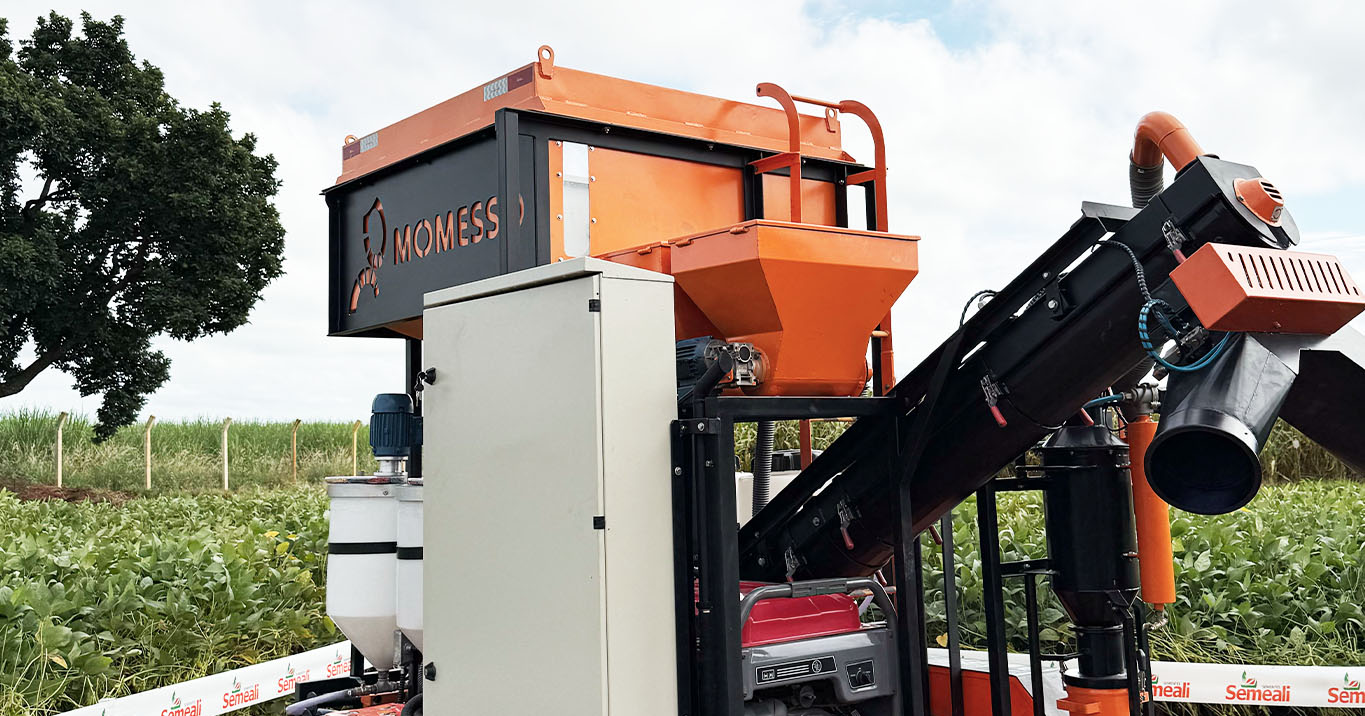
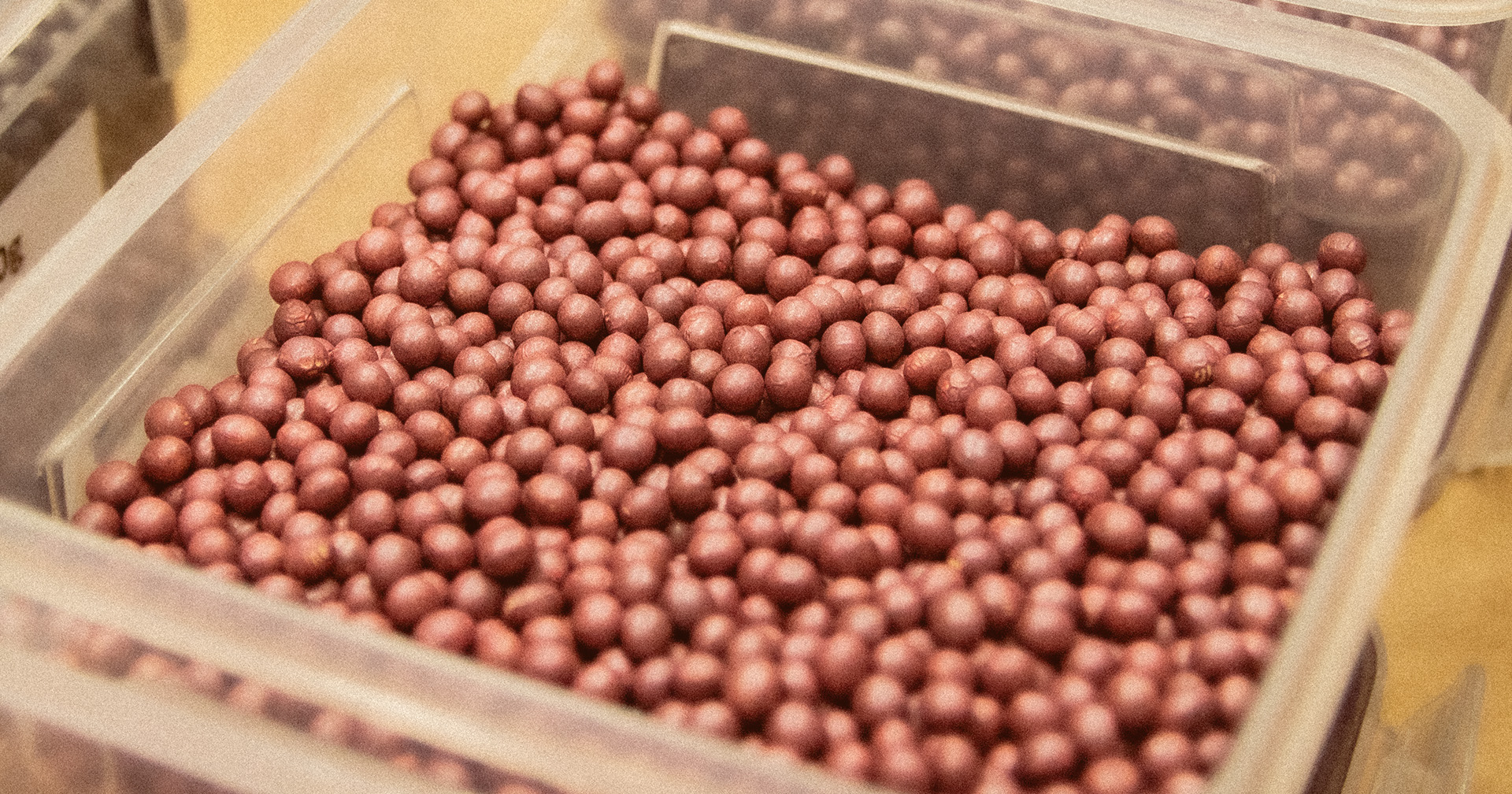
Seed treatment is the application of chemical and/or biological ingredients directly to the grain to suppress, control, or ward off pathogens and pests at the early stage of the cycle. It is an essential step because it acts precisely where the plant is most vulnerable, from pre-planting to emergence.
When properly executed, the treatment improves the health of the batch, reduces seedling damping-off and early rot, and helps to standardize emergence. Effectiveness depends on the correct dosage, homogeneous coverage, and quality of the spray, in addition to the compatibility between active ingredients.
Where he doesn't arrive
Even with good treatment, germination can be affected by factors that go beyond seed protection:
- Unfavorable environmental conditions during sowing, such as cold and waterlogged soil.
- High inoculum pressure in the environment, coming from crop residues or neighboring areas.
- Inadequate planting window, exposing the crop to its critical phase during weather favorable to diseases.
- Seed with low physiological quality, which responds poorly even when treated.
Fragile field operational routine, with inconsistent planter adjustment, depth, and speed. Embrapa recommends tackling corn diseases through a set of measures: resistant cultivars, adequate planting season, rotation and residue management, among other practices.
Integrated Management: The Tripod Supporting the Start-up
High-precision treatment
- Dose within the target range for all seeds.
- Uniform product distribution and good curing/adhesion for stability until sowing.
- Process traceability to repeat patterns between batches.
These factors are consensus in best practice guides and in Embrapa studies on fungicide efficiency in corn TS.
Planting window correct
Planning the sowing to avoid the critical period of the crop coinciding with conditions that favor pathogens is a cornerstone of management. The correct timing reduces disease pressure from the start.
3) Quality seed and crop rotation
- Vigorous, pathogen-free seed, combined with crop rotation and residue management, breaks the disease cycle for rot and anthracnose, reducing re-infection early in the season.
- Reduction of replantings and line failures.
Studies by Embrapa show that the use of fungicides in treatment can reduce the incidence of seed-borne fungi and increase emergence, provided that the application is correct.
Why talk about integrated management instead of a single solution?
Diseases also move between areas and survive in alternative hosts. Good biosecurity practices and machine hygiene complement the package and are guidelines from international reference centers for corn.
- Common mistakes that “rob” treatment benefits
- Not adjusting the planting window to the region's climate reality.
- Using off-spec seed and relying on treatment to compensate.
- Process failures: under-dosing, coverage variation, and lack of seed curing.
- Ignore infected residues and plant corn after corn in the same area.
Seed treatment doesn't solve everything, but it's a game-changer when integrated with sowing plans, seed care, and field practices. This is how growers turn risk into predictability, and predictability into productivity.
Treated well. Treated Momesso.
READ ALSO:

Como a automação organiza operações de tratamento de alto volume