Bioinputs and Seed Treatment: The Alliance That Regenerates Soil and Strengthens Crops
Have you ever stopped to think that the future of your crop begins long before planting? It begins with soil health and the intelligence contained in each seed. In the field, we know that each harvest is a new cycle of challenges and opportunities. We seek greater productivity, of course, but also a more resilient and sustainable operation. It is in this scenario that regenerative agriculture gains strength, not as a passing trend, but as a necessity for those who think long-term.
What if we said that one of the most efficient practices for aligning productivity and sustainability lies in seed treatment? More specifically, in the powerful combination of application technology and the use of bio-inputs. Many producers have already heard about biological products, but they still wonder: how can we guarantee that these microorganisms reach the soil alive and active? The answer lies in precision.
What are bio-inputs and why are they so important?
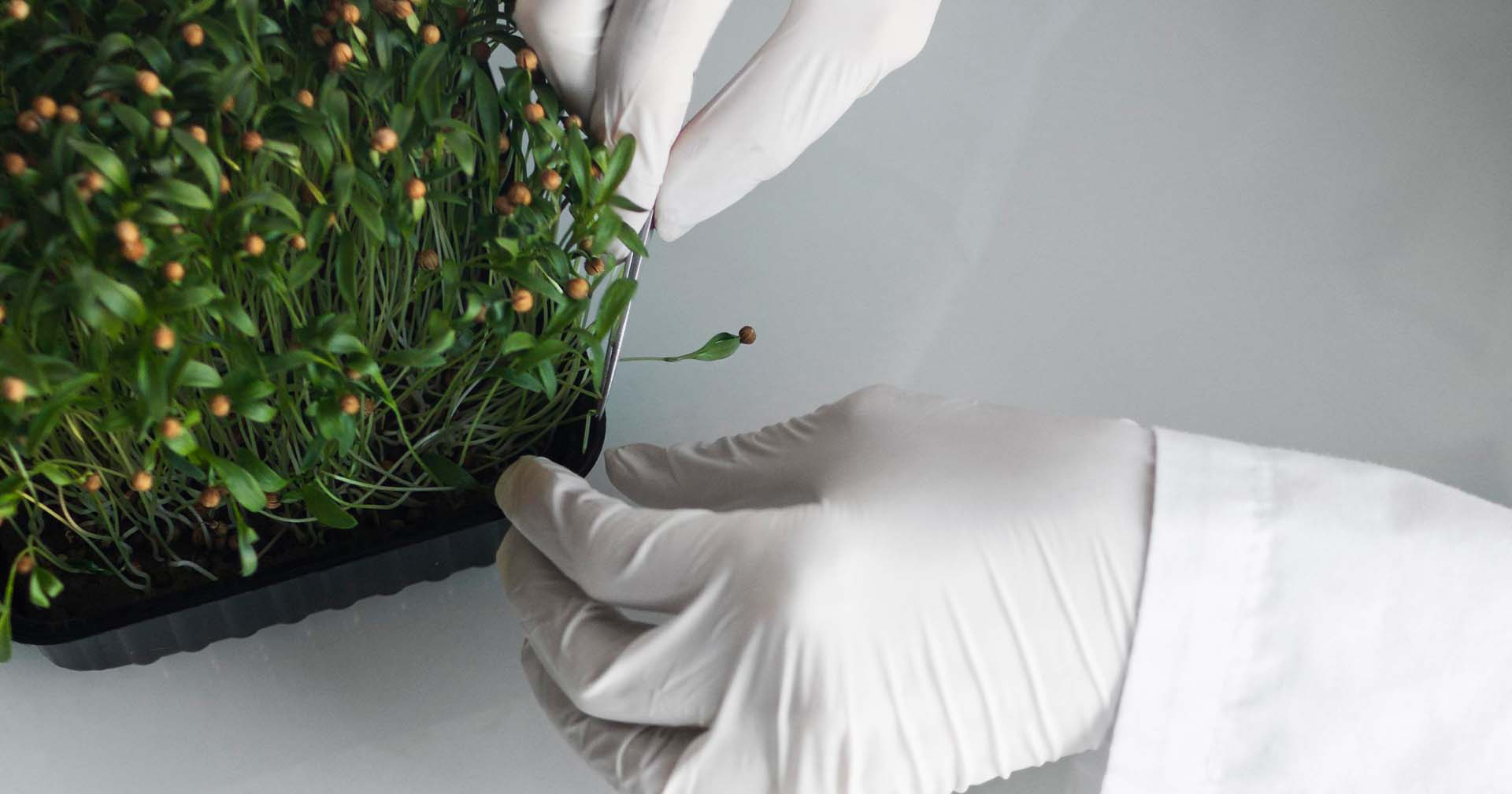
Let's get straight to the point. Bio-inputs are products made from live microorganisms, such as beneficial fungi and bacteria, or substances derived from them. Unlike products with immediate chemical action, biologicals work in symbiosis with the plant. They not only protect but also promote the health of the ecosystem around the seed.
The benefits are practical and visible in the field:
Strengthening of Roots Microorganisms like Azospirillum and Bacillus stimulate greater root system development. A more robust root system explores the soil better, absorbing more water and nutrients.
Natural Defense Many bio-inputs create a biological barrier around the seed, competing with pathogens for space and nutrients, which hinders the incidence of early diseases.
Soil Health: Instead of just controlling a problem, biologicals help re-establish the balance of soil microbiota, a pillar of regenerative agriculture.
O mercado de produtos biológicos no Brasil cresce a um ritmo superior a 30% ao ano, e cerca de 20% dos produtos registrados já são recomendados para o tratamento de sementes. Esses números não mentem: quem está na vanguarda do agro já entendeu o valor dessa aliança.
Life in the seed
Now, we've reached a crucial point. In your operation, have you encountered seed treatment that seemed “sticky” or had planting difficulties? Or perhaps you wondered if the inoculant applied days ago was still active at the time of planting?
These are real concerns and demonstrate the biggest challenge with biological treatments: the viability of the microorganisms. We are dealing with living organisms that are sensitive to various factors:
Chemical Compatibility Mixing chemicals and biological products in a tank can be problematic. Some fungicides or insecticides can be toxic to beneficial bacteria and fungi, rendering the treatment unfeasible.
Application Homogeneity: If the seed coating is not applied uniformly, some seeds will receive an excessive dose, potentially causing phytotoxicity, while others will not receive any protection. For biologicals, uneven application means the protective barrier will be full of gaps.
Mechanical Damage and Storage: The treatment process and the time between application and planting are also critical. Inadequate equipment can damage the seed coat, and prolonged storage without ideal conditions can kill the microorganisms before they even reach the field.
Treating seeds with biologicals is not just mixing products. It is a technical process that requires engineering, knowledge, and, above all, the right equipment.
Application technology that respects life
This is where technology becomes the producer's greatest ally. For the alliance between seed and bioinput to work, application must be precise, homogeneous, and safe for microorganisms. The quality of the treatment determines whether the investment in biologicals will yield the expected return.
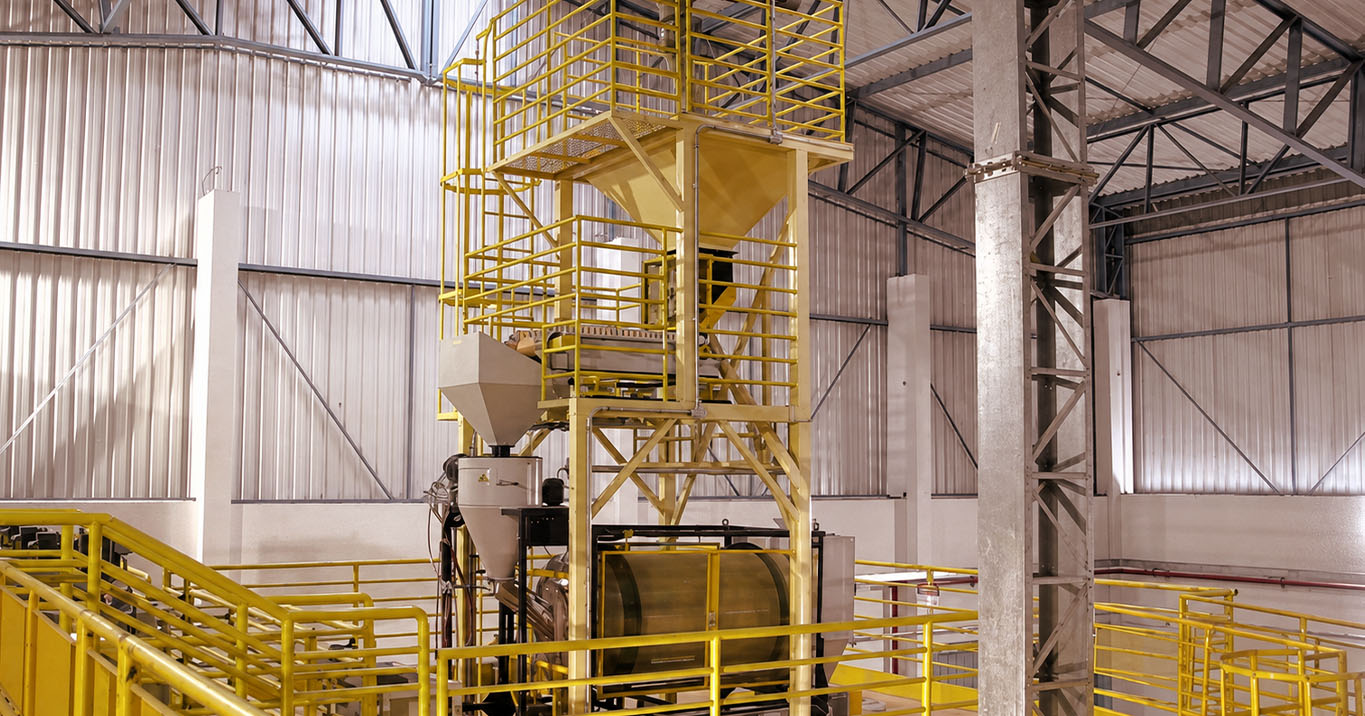
An industrial seed treatment (IST) or a high-performance on-farm treatment, carried out with equipment designed for this purpose, makes all the difference. Modern machines, like those developed by Momesso, are designed to overcome the challenges of applying biologicals.
The engineering behind these pieces of equipment takes into account the details that ensure efficiency:
Precise and individualized dosage: Automated systems with variable-rate dosing pumps allow each product to be applied in the exact quantity, seed by seed. This is fundamental for compatibility, enabling the application of chemicals and biologicals in sequence, without prior tank mixing that could compromise viability.
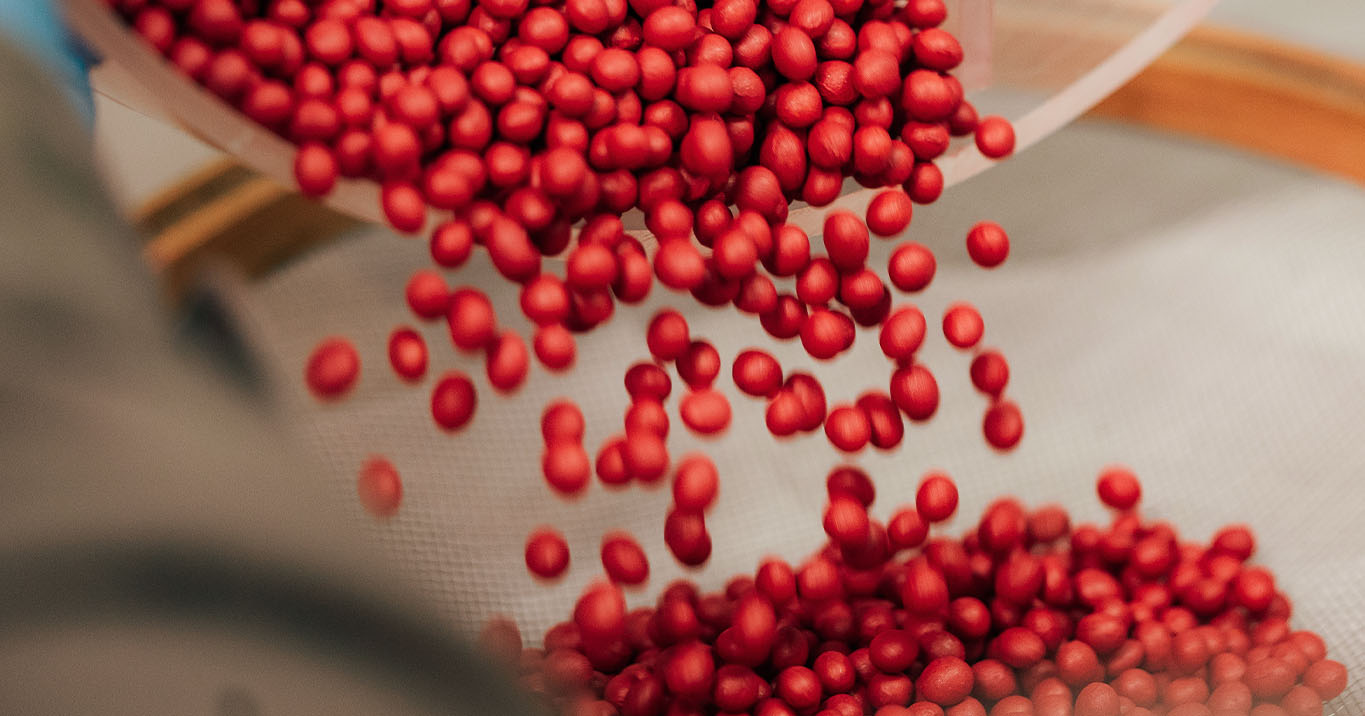
Superior Homogeneity O design da câmara de tratamento e dos bicos atomizadores é projetado para garantir uma cobertura completa e uniforme, sem excessos. Isso cria o “biofilme” protetor ao redor de 100% das sementes, maximizando a eficácia dos produtos.
Smooth and Safe Process From the feeding system to the discharge, the process is designed to minimize friction and mechanical damage to the seeds, preserving their vigor and germination potential.
By using a treatment technology that respects the specificities of biological products, the producer ensures that the genetic potential of the seed and the strength of the microorganisms reach the soil intact.
The right choice starts with the right technology
Regenerative agriculture and the use of bio-inputs are no longer distant concepts. They are practical tools for building a more productive, profitable, and, above all, resilient crop for future generations. Adopting biologicals through seed treatment is a smart step in this direction, combining initial protection with long-term soil health promotion.
However, the success of this strategy depends directly on the quality of its application. Investing in high-vigor seeds and cutting-edge bioinputs, but neglecting treatment technology, is risking the full potential of your crop.
Therefore, when planning your next harvest, remember that the strength of the field is born from the union between nature and engineering. Choosing reliable treatment technology, developed by those who have understood the challenges of agribusiness for over 60 years, is the assurance that you are building the foundation for a successful harvest.
READ ALSO:
Alta tecnologia no tratamento de sementes: onde ela aparece na operação?