Planting Treated Seeds: A Guide to Sustainability in the Countryside
Nowadays, those who work in the fields know that producing more and making a profit cannot mean neglecting the environment. That's why more and more farmers and seed growers are keeping an eye on how their practices affect the environment, looking for ways to have less of an impact and guarantee a healthy future for everyone. And in this scenario environmental management in planting and seed treatment stands out as something essential.
But what does “taking care of the environment” mean when we talk about planting treated seeds? And how can what you do on the farm help both your crops and nature?
What does it mean to take care of the environment when treating seeds?
Caring for the environment when planting treated seeds is a set of good practices and ways of acting that begin when the seed is treated and they go all the way to the end, when you dispose of what you no longer use. The main objective is to reduce as much as possible the risk of chemical products reaching where they shouldn't, such as bees, other insects that help the plant, small animals and, of course, our rivers and water sources.
This responsibility needs to be shared by everyone involved in the process, from the machine operator to the farmer when planting. When each stage is done carefully, as well as safer and more productive crops, The company or brand also gains in reputation. The market and society recognize those who act responsibly towards the environment, and this generates trust, respect and new business opportunities.
After all, producing well and taking care of the planet is the path to a stronger, more sustainable and admired agribusiness.
💡 Read also: Seed Treatment: How to Do It Correctly?
Good practices for planting with treated seed
To adopt a conscious environmental practice when planting treated seeds involves attention and care at various stages, as we can analyze below:
1. Store in the right place
When transporting treated seeds, Check that the packaging is intact and that the labels are clearly visible. Avoid any knocks or scratches that could release dust or break the seeds. Protect them from rain, humidity and strong heat. The most important thing is never to let seeds fall on the ground, as this is a great danger to the environment.
2. Pay attention to the planting machine
A few small things can be done at the time of planting to help this process:
- Adjust the machine (calibration): A well-adjusted (calibrated) planter places the right amount of seed, without wasting the treated product and spreading it evenly over the field.
- Exhaust fan down: If your planting machine has a pipe that blows air out (exhaust fan), always direct it downwards towards the ground. This helps to avoid spreading the dust from the treated seeds into the air.
- Maintenance: Always keep your machine clean and running smoothly.
3. Avoid dust
- Wind directionWhen you open the bag of seeds, put them in the machine or take out the leftovers, always check which way and how hard the wind is blowing. Stand with your back to the wind so that you don't breathe in the dust and so that it doesn't get into places where there are bees (apiaries) or plantations with flowers.
- The right lubricant: Use products such as talcum powder or graphite to help the seed slide through the machine, but only as much as the planter manufacturer tells you to, without overdoing it. Too much can release more dust.
- Do not shake: When putting the seed in the machine, avoid shaking the bottom of the bag. That's where the dust usually accumulates.
- Away from plantationsAlways start filling the planter at least ten steps into the field, away from hedges, flowers that grow by themselves or other crops that are in flower and attract bees.
4. Plant at the right depth
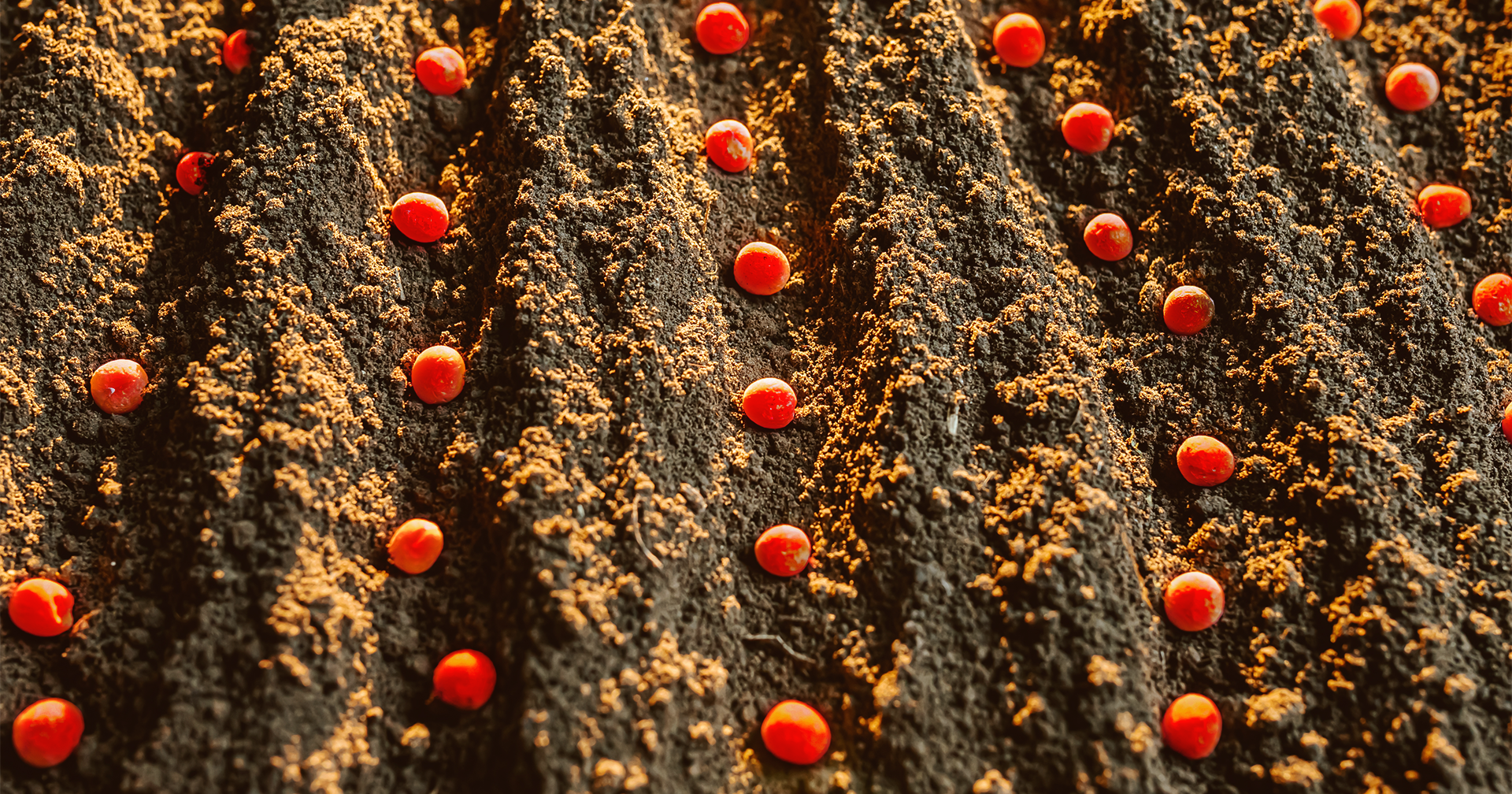
Follow the instructions in the manual on how deep to plant your crop. It is very important that all the treated seed is completely covered by the soil, especially at the ends of the rows and at the edges of the field. This protects birds, small animals and the environment from coming into contact with the products.
5. Empty packaging waste
The packaging of treated seeds industrially (TSI), because of some special layers (polymers) which hold the product well in the seed, are generally considered “non-hazardous waste” by the ABNT (NBR 10.004). Even so, always follow the recommended guidelines to dispose of this packaging in the right way.
Momesso technology that helps your crop and the environment
Good environmental management in seed treatment doesn't just depend on your care. It also depends on the technology you use. And this is where Momesso becomes a great partner.
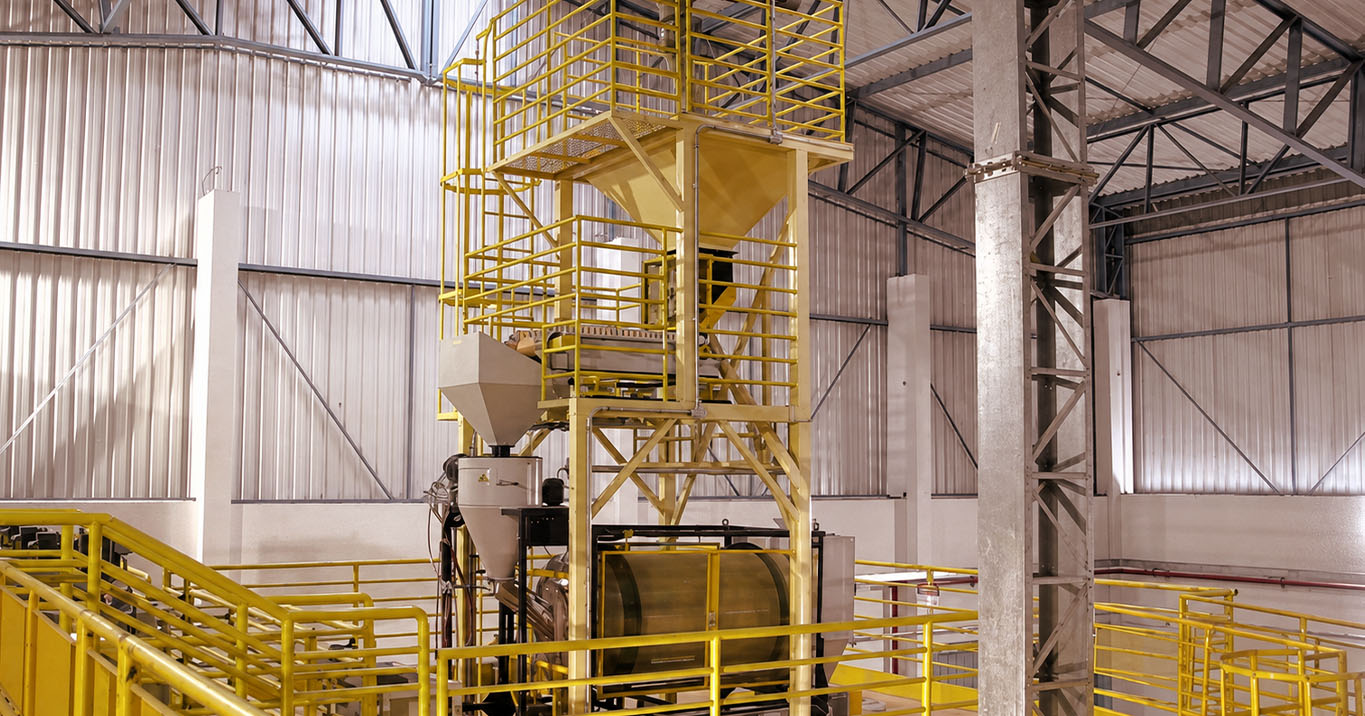
Our machines for Industrial Seed Treatment (IST) are designed to be very precise, and this goes far beyond just applying the product. They are important tools for more sustainable farming:
- The right dose and well spread: Our machines ensure that each seed receives the exact amount of product. Neither too much (which would be too much waste) nor too little (which would make the treatment not work). This means you use fewer pesticides, which is great for the environment and your pocket money.
- Sticks more, flies less dust: The application technology of Momesso, with advanced systems such as the machine's atomizer and auger ARKTOS BHICA, This means that the product sticks to the seed. This greatly reduces the amount of dust that can fly around when stirring or planting, protecting bees and the environment in an efficient way.
- Better use of resources: With high-quality seed treatment, Momesso helps you use your inputs more intelligently. You don't need to replant as much and you don't need to throw as much pesticide on the field afterwards.
Investing in cutting-edge technology for the seed treatment is to invest in a crop that produces more, makes more profit and, most importantly, takes care of nature. Choose the Momesso and combine the search for good results with the environmental responsibility that the future of agriculture demands.
Talk to our experts right now and start building a greener, more profitable future!
READ ALSO:
Alta tecnologia no tratamento de sementes: onde ela aparece na operação?