Double Batch is the New Bet
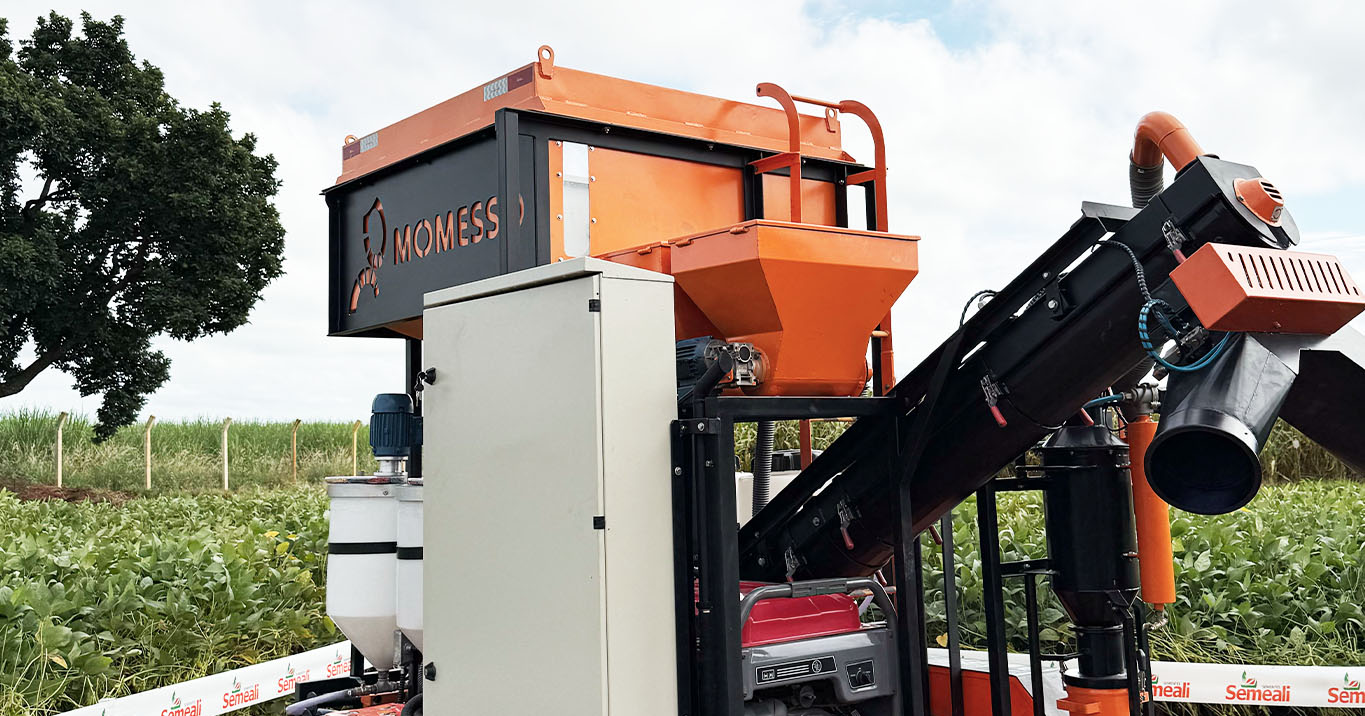
The batch system has always been a benchmark in industrial seed treatment (IST).
It's what ensures strict control of dosage, mixing time, and coating uniformity, making it the correct technical choice for a wide range of operations.
As the processed volume grows, a new challenge arises: maintaining that same technical standard within increasingly shorter time windows. This is not a limitation of the batch system, but a natural characteristic of its operational cycle.
It is in this context of increased demand that the Double Batch emerges as an engineering solution.
BATCH CYCLE AND PROCESS LOGIC
In a traditional batch system, the treatment occurs in well-defined steps:
Seed load
● Application of the syrup and mixture
Download of treated seed
This model offers precision and control, precisely because it treats each batch individually. However, in high-volume operations, the processing speed increases
to be determined by the sequence of these steps.
The question guiding the evolution of the process is not whether the batch works and why it works, but how to scale up capacity while maintaining the same technical standard.
Optimization Factor
- Sync bowls
- Machine upgrade and structural adjustments.
- Best Use of Labor
Optimization Factor
- Reduction of total cycle time per batch.
- Increased processing capacity
- The operator manages an optimized workflow, increasing team efficiency.
THE CONCEPT OF THE DOUBLE BATCH
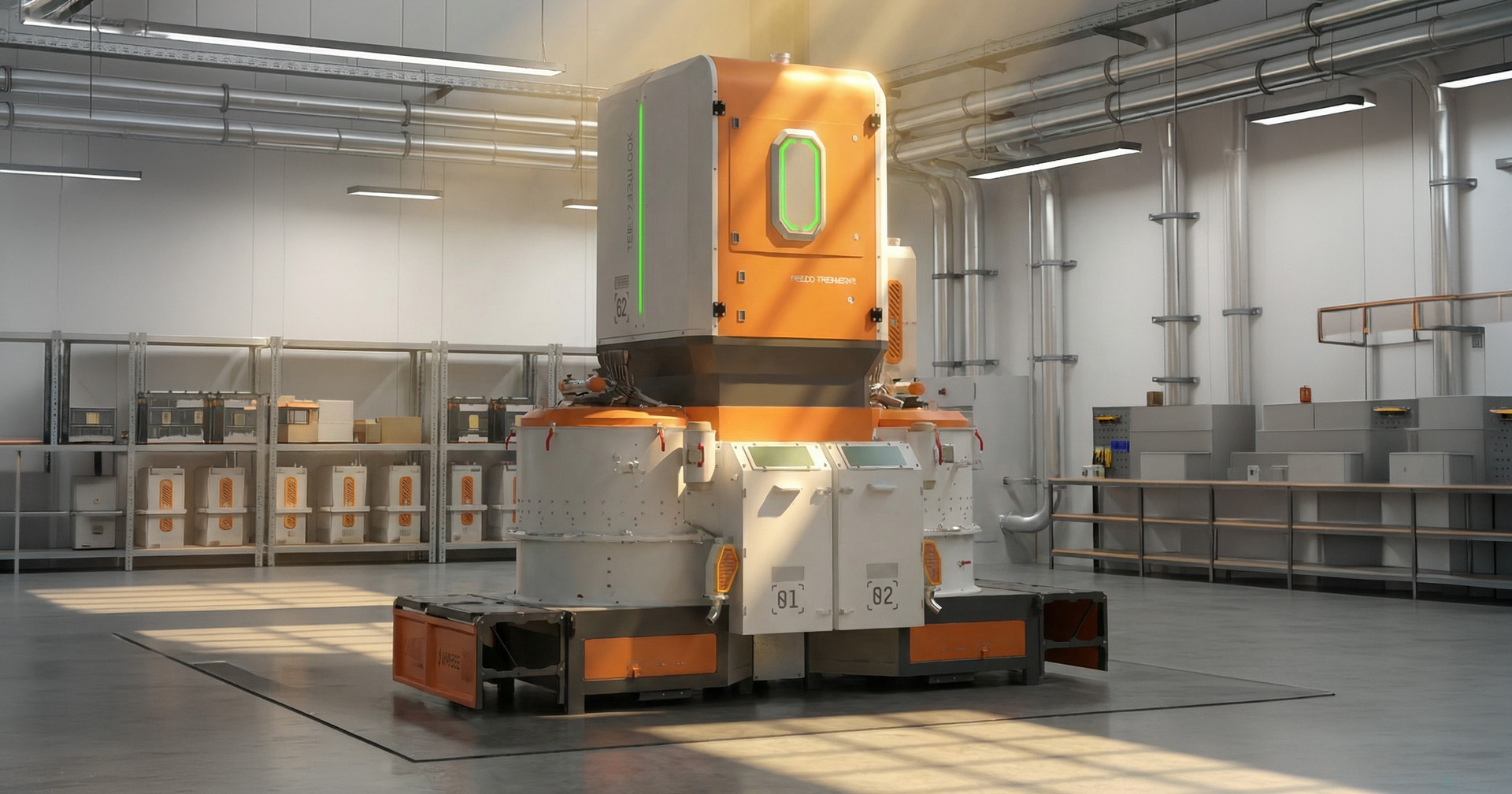
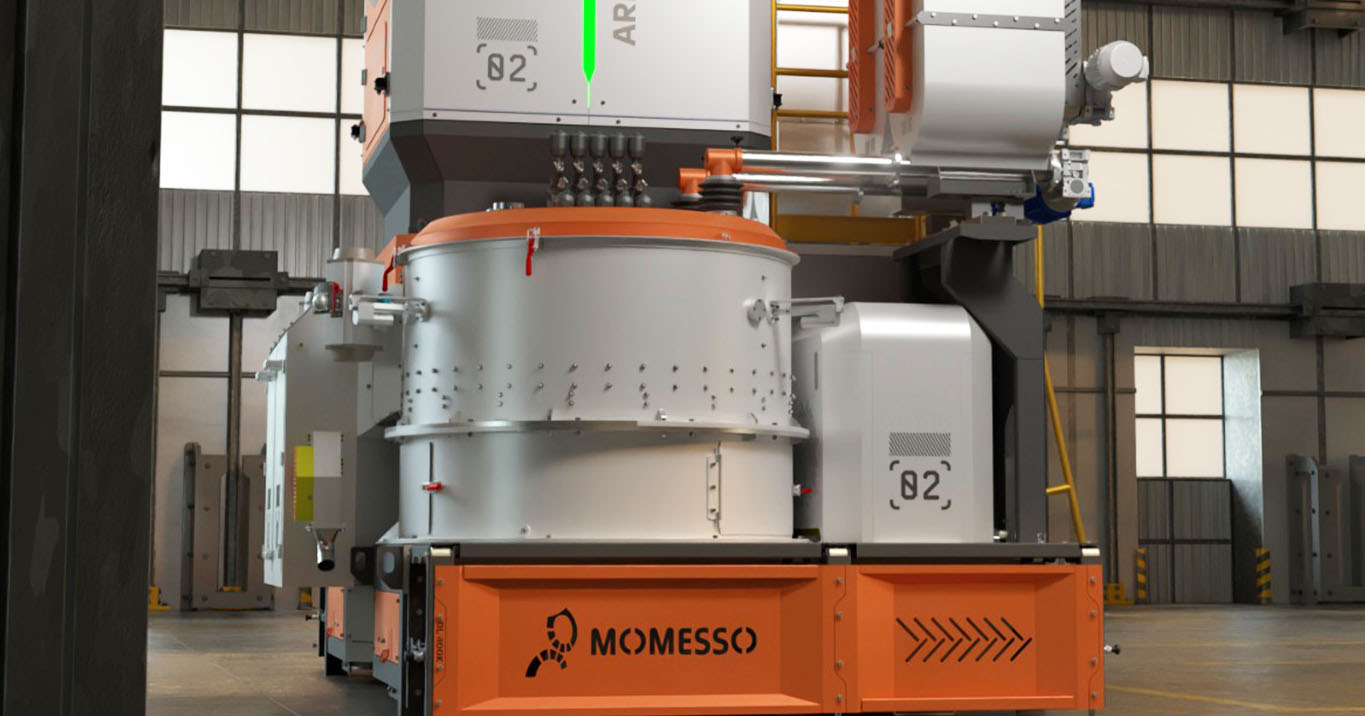
The Double Batch maintains the batch principle but reorganizes time usage within the operation. The system works with two treatment bowls operating in a coordinated manner with known weight, calculated dosage, and controlled mixing time. What changes is the overall efficiency of the process, especially in larger-scale scenarios.
The same precision, applied to a new level of production
It's important to reinforce: Double Batch does not replace Single Batch. It expands the application of this concept to contexts where volume demands greater operational agility.
The treatment continues to be carried out in a closed environment, with full control of critical variables. The difference lies in the capacity to handle larger operations without compromising the technical standard that established the batch system.
READ ALSO:
Como a automação organiza operações de tratamento de alto volume