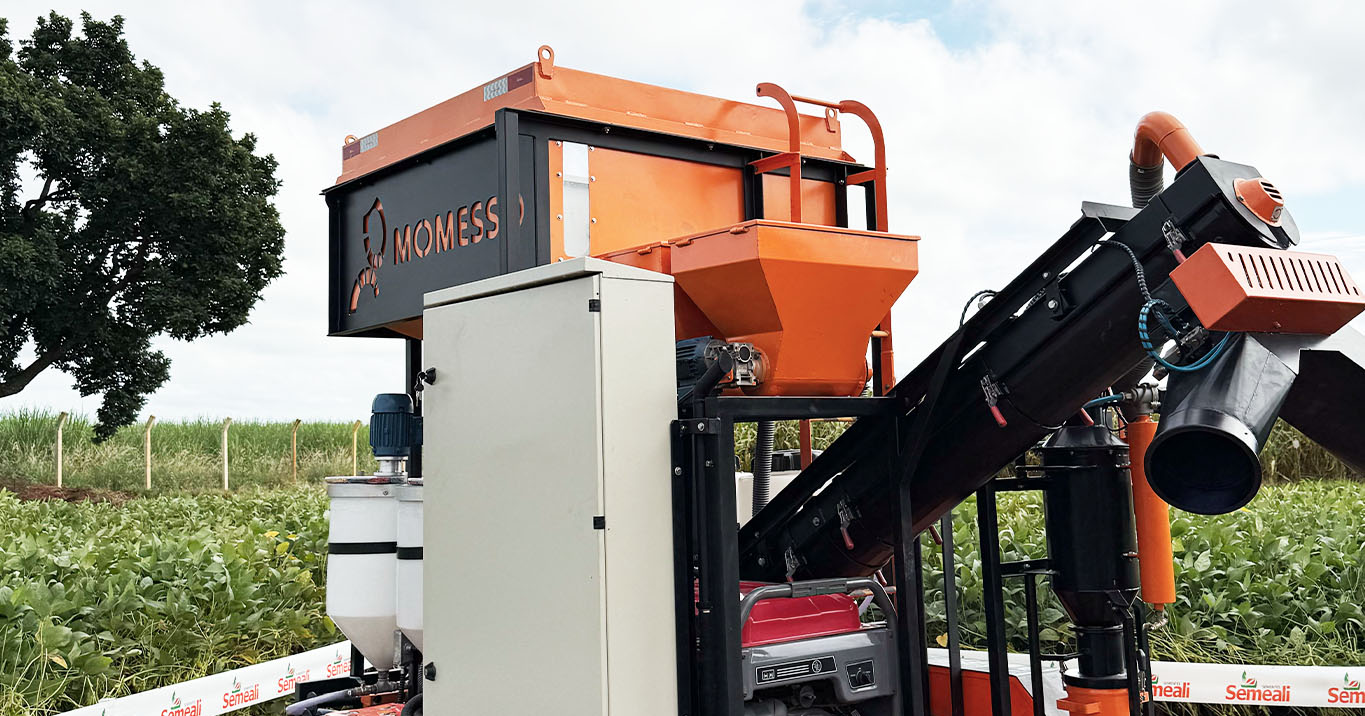
What changes with double batching in seed treatment?
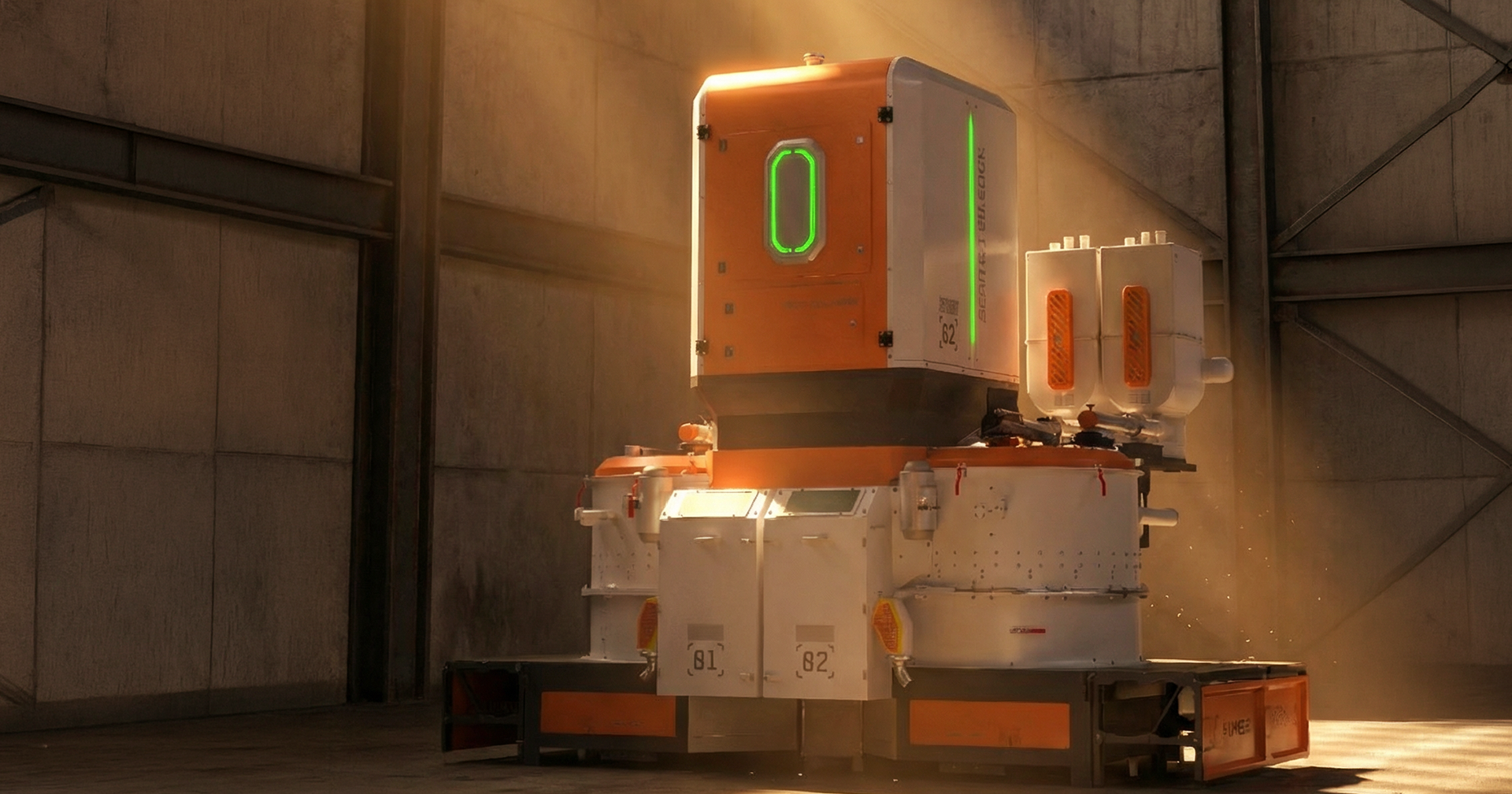
In the routine of a seedbed operation, few things weigh as heavily as the feeling that the operation could yield more, but something in the process is holding back the pace. In many cases, the problem isn't the team, the demand, or the intention to grow. It's in how much the structure truly keeps up with the demands of the operation.
It is at this point that the discussion about dual batching stops being merely technical and becomes strategic.
In practice, what changes when a seed treatment machine works with a double batch? The answer goes far beyond the idea of “doing more in less time.” What comes into play is the ability to sustain productivity with more fluidity, more consistency, and fewer bottlenecks throughout the process.
What does batch duality represent in practice?
When we talk about a double batch, we're talking about a structure designed for operations that cannot rely on a stopped flow, with excessive pauses between cycles or limitations that compromise routine consistency.
In theory, this seems simple. But in practice, the difference appears quite concretely. The machine stops responding solely to volume and starts responding better to the rhythm of the operation.
And why does that matter so much?
Because real productivity isn't just about processed volume. Real productivity is the ability to keep operations running with stability, predictability, and efficiency, even when demands increase.
More capacity for operations working at scale.
In a nursery that handles higher volumes, every decision about capacity affects the rest of the chain. When the machinery can't keep up with demand, the effect cascades: accumulation, waiting, hasty adjustments, loss of rhythm, and in some cases, more pressure on the team.
The double batch serves precisely to expand this operational potential.
Capacity alone doesn't solve everything.
It's common to look at capacity as just a number. But in seed treatment, what truly generates results is the combination of capacity and control.
If the structure allows for greater production, but without fluidity or stability, operations continue to suffer. However, when the machine sustains volume with a better pace and fewer interruptions, the perception changes. The process gains momentum.
This is one of the points where the dual-batch logic makes sense for those working with scale: it helps transform capacity into operational continuity.
How does batch processing improve daily productivity
In an industrial setting, the most significant gains are not always the most obvious. Often, they lie in the reduction of small bottlenecks that, when added up, hinder productivity throughout the harvest.
When the operation flows more smoothly between cycles, reducing wasted time and better maintaining momentum, the impact is seen in daily operations.
Fewer bottlenecks, more consistency
The question many managers ask isn't just “how much does this machine produce?” It's “how much does it help me keep the operation running smoothly throughout the day?”.
This is a more mature question. And it makes perfect sense.
A machine designed for greater operational continuity tends to reduce interruption points that compromise the flow. This doesn't eliminate all routine challenges, of course. But it improves the operation's response to them.
In the case of DL400K, The proposal stems precisely from this combination of double batch, high production capacity, and a design focused on maintaining pace, reducing bottlenecks, and increasing productivity.
Business continuity: a value often only realized in its absence
When the operation stops, "that's too much," everyone feels it. The problem is, until that happens frequently, many people underestimate the value of continuity.
In seed treatment, continuity is not comfort. It's efficiency.
What changes when the process flows better?
Change the routine organization.
Change production predictability.
Change the team's confidence.
Change the way the operation responds to pressure.
With more fluidity between cycles, the planter loses less time in unproductive transitions and can keep productivity moving. This is especially relevant in operations that work within a tight window and have no room for improvisation.
More than robustness: perceived value in machine selection.
In many industrial investments, the value lies not only in what the machine does, but in what it prevents. It prevents loss of pace, prevents excessive intervention, prevents recurring bottlenecks, and prevents the process from relying too heavily on corrections throughout operation.
This is why the double batch also communicates something else to the market: operational maturity.
It shows that the structure was designed for a more demanding, more prepared level that is more aligned with the pursuit of high performance.
This reading makes a difference for cooperatives, seed producers, and technical teams that are not just buying capacity, but are seeking more reliable operations.
Where does embedded technology fit into this discussion?
Capacity alone does not sustain a new operational level. It needs to be accompanied by intelligence applied to routine.
On the DL400K, this appears in features like auto setup, which is automatic balance calibration; adjustable electric baffles, and more user-friendly software, all geared towards making operation simpler, more precise, and more efficient.
This means that the conversation about double batching should not be isolated from the conversation about control, automation, and operational ease. One reinforces the other.
What to consider before investing in a dual-batch machine?
Before looking only at the equipment, it's worth looking at the operation.
Does your demand already require more pace?
Do the current bottlenecks relate to capacity, flow, or excessive reliance on intervention?
Does the current structure keep pace with the nursery's growth?
Does the team need a more predictable and less stuck operation?
These questions help move from superficial comparison to more useful analysis.
In Momesso, We often see that the best decisions emerge when the client looks at the process as a whole, and not just at a technical data sheet. It is at this point that technology, operation, and results truly begin to converse.
The double batch changes the operation because it changes the relationship between capacity and continuity.
It expands production potential, helps reduce bottlenecks, better sustains process pace, and responds more consistently to operations working at scale.
More than a gain in volume, it represents a gain in fluidity, control, and confidence for those who need to treat seeds with high capacity and precision.
And when technology accompanies this operational design, the results tend to appear where it truly matters: in the day-to-day of the seed operation.
If your operation is in a growth phase or needs to gain more momentum with control, it's worth diving deeper into this analysis with someone who understands the process beyond just the equipment. Here at Momesso, this dialogue starts from the real routine of seeding, from the goals of the operation, and from what makes sense for your context.
READ ALSO:
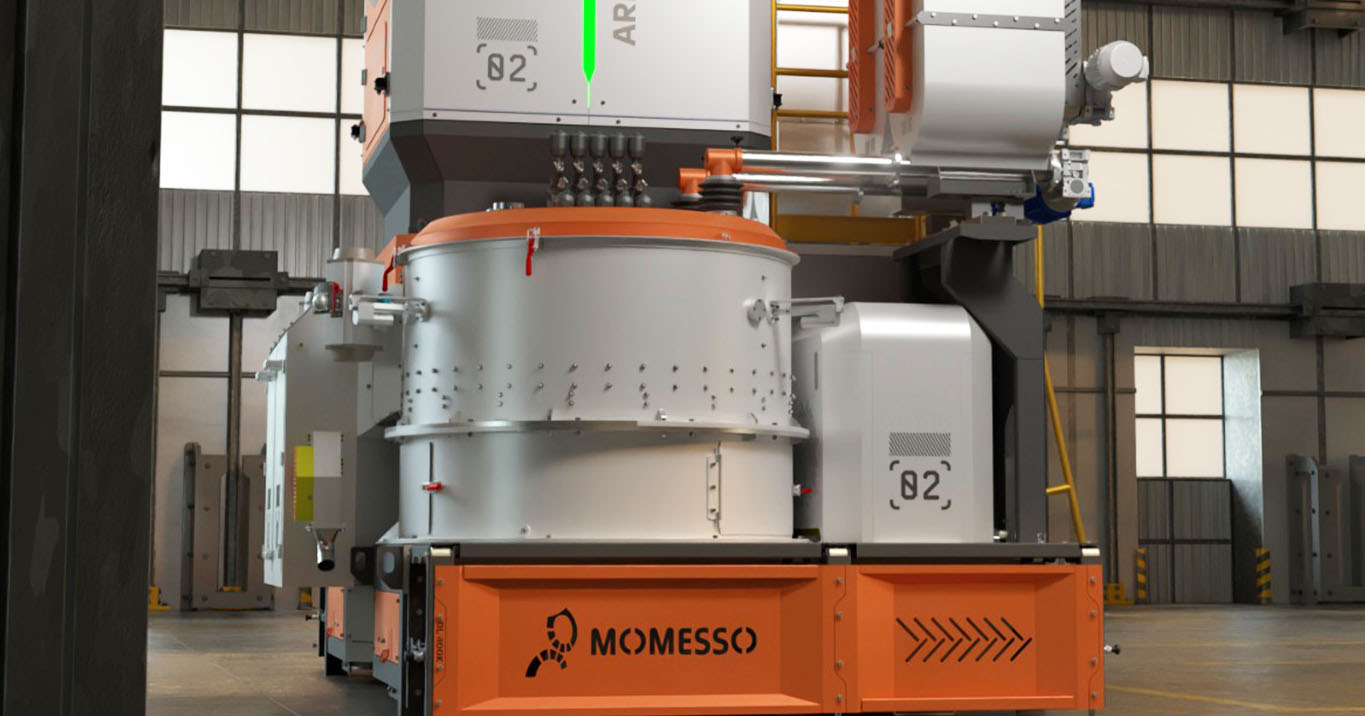
Como a automação organiza operações de tratamento de alto volume