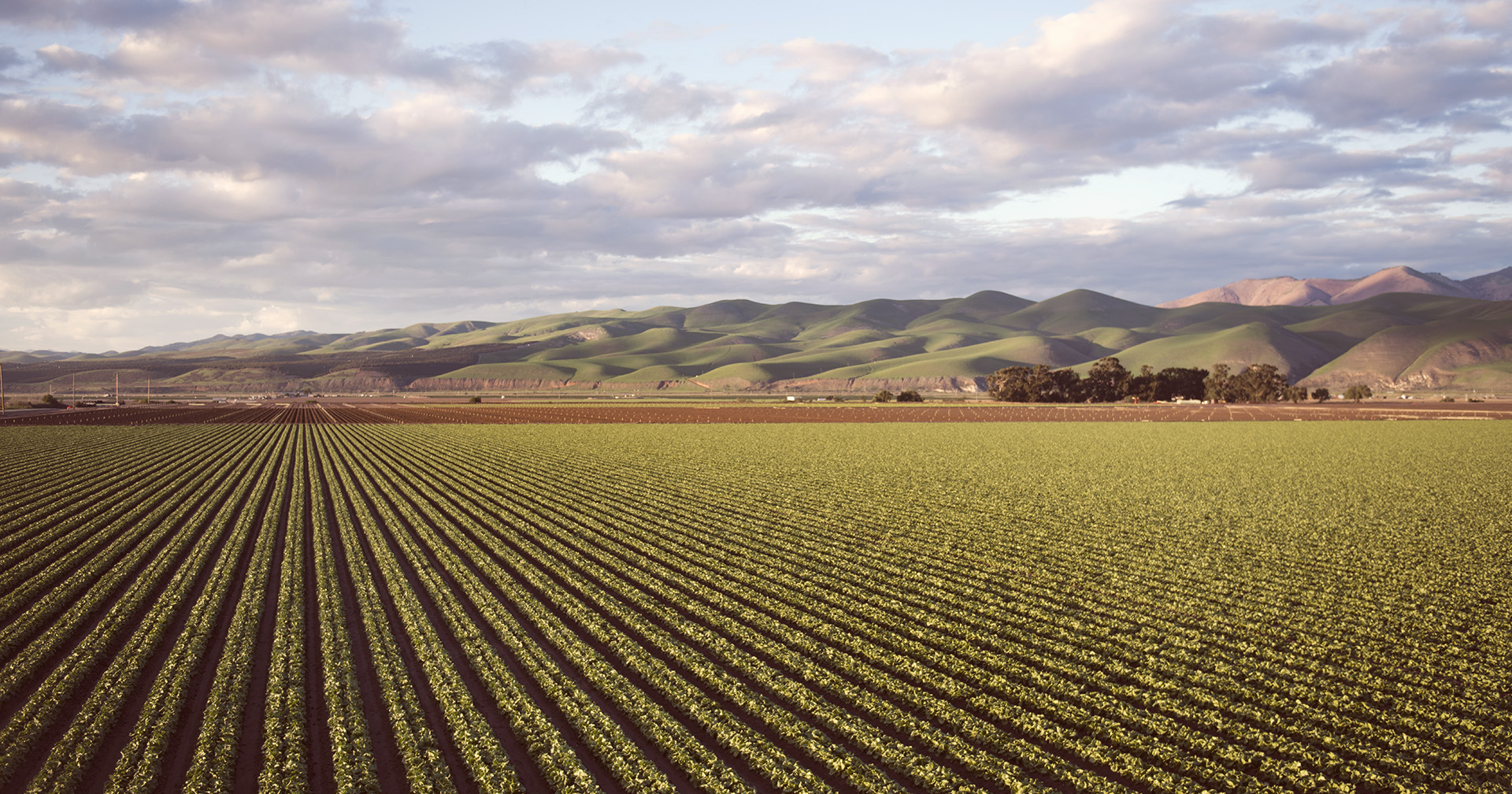
Are you afraid of becoming a more technological producer?
It's time to change this view and use technology in the pre-harvest period.
Replanting is the most expensive tax paid for lack of planning, but the producer only realizes this afterwards. Calm down! We'll explain why.
Imagine the scene: the ideal planting window is closing, and the agronomist is walking through a newly-emerged plot. What he sees is not the uniform “green carpet” he expected, but a failed, blemished stand, with weak plants and others that haven't even germinated. What is the cause?
A severe attack by soil pests and fungi. The decision is inevitable and painful: call in the insurance company, buy more seed, mobilize the machinery and replant. The cost of this operation is not just the direct financial outlay. It's the cost of the lost planting window, the production potential that will no longer be the same, the labor, the diesel and, worst of all, the frustration of seeing an avoidable mistake jeopardize an entire harvest.
This scenario, which is real and recurs on thousands of hectares every year, is not the result of chance or bad luck. It's a direct consequence of reacting to the problem instead of anticipating it. And that's exactly what the result-seeking producer won't accept.
That's why those who have raised their level of management have understood one thing: farming is no longer a gamble, but a much more predictable delivery. And the most strategic decision takes place long before the machines go into the field: the choice of technology.
The turning point: from “putting out fires” to working on prevention
For a long time, traditional agriculture was guided by the “problem x solution” cycle. A pest appears? Apply insecticide. Disease? Fungicide is applied. It's a reactive logic: the damage has already been done and the aim is simply to reduce losses.
The strategic producer has turned this logic on its head with a simple principle: the cost of prevention is much lower than the cost of correction.
He doesn't ask “what do I do if there's a stand problem?”. He acts so that the chance of a stand problem is as low as possible. He doesn't wait for the crop to “feel” the attack of pests or the advance of soil-borne diseases. It strengthens the seed with protection technology from day one, turning the seed into a defense vehicle.
He knows that pests and diseases are waiting in the soil. He knows that the weather can impose water stress. The difference is that he doesn't “hope” that it doesn't happen. He invests so that, when it does happen, the crop is in the best possible condition to withstand it.
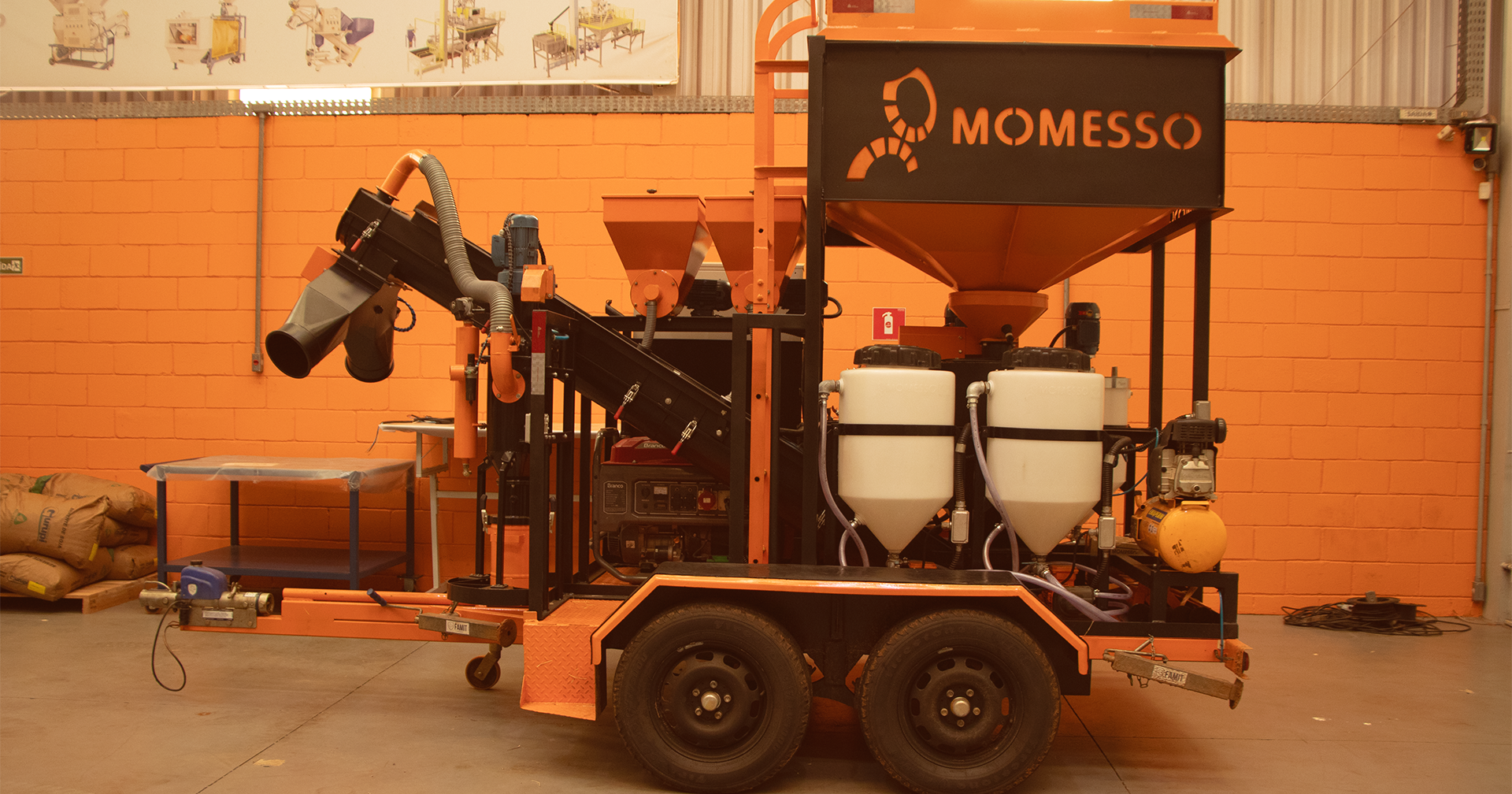
That's where Momesso seed treatment technology comes in
This is where industrial seed treatment (TSI) is no longer seen as an “extra cost” but as a central risk management tool. Those who think in the long term don't just buy “treated seed”. They investigate, question and choose the process behind the treatment.
He understands that colored seed is not synonymous with protected seed. And he has already learned, often the hard way, that poor treatment can be worse than no treatment at all, because it creates a false sense of security.
This is why the choice is guided by clear pillars of excellence:
PRECISION: underdosing does not protect; overdosing can compromise performance. Therefore, look for processes with automated control, pumps and flow meters that deliver an exact, constant dose without deviations. Approximation does not count.
UNIFORMITY: the batch average does not guarantee the protection of each seed. Coverage needs to cover the entire surface to be effective. Small flaws in the process appear large in the field.
CONTROL and CONSISTENCY: it doesn't accept results that change from one batch to the next. They want standards, day after day. That's why he values automation, which reduces dependence on the human factor and sustains a level of industrial quality over time.
This choice, made months before the harvest, is a business decision: allocating capital to technology to mitigate the biggest risk at the start of the cycle, failure to establish the stand.
That's why those who lead in productivity and profitability decide first. It's not just buying a product or service: it's buying peace of mind, reduced risk and a greater chance of a uniform and vigorous stand.
A Momesso is on the side of the producer who works with science, detail and strategy, delivering solutions designed for those who understand that the harvest is won long before the first grain touches the ground.
Finally, is your operation prepared to prevent, or only to remedy? Discover the technology of seed treatment which puts your production one step ahead of the risk.
Talk to a Momesso.
READ ALSO:

Is a brightly colored seed well-treated?