
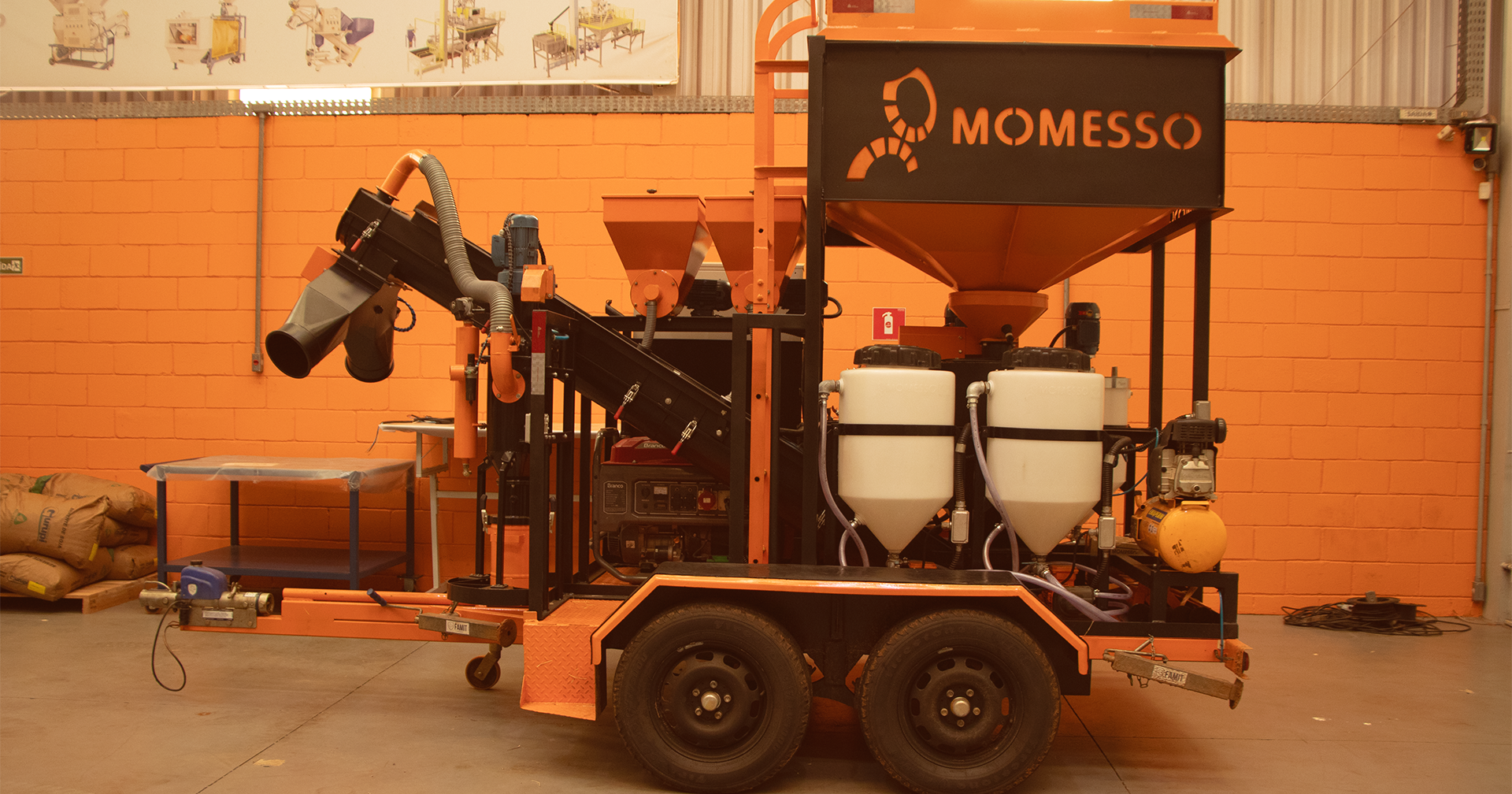
Seed beneficiation: why lot organization defines the efficiency of the entire operation
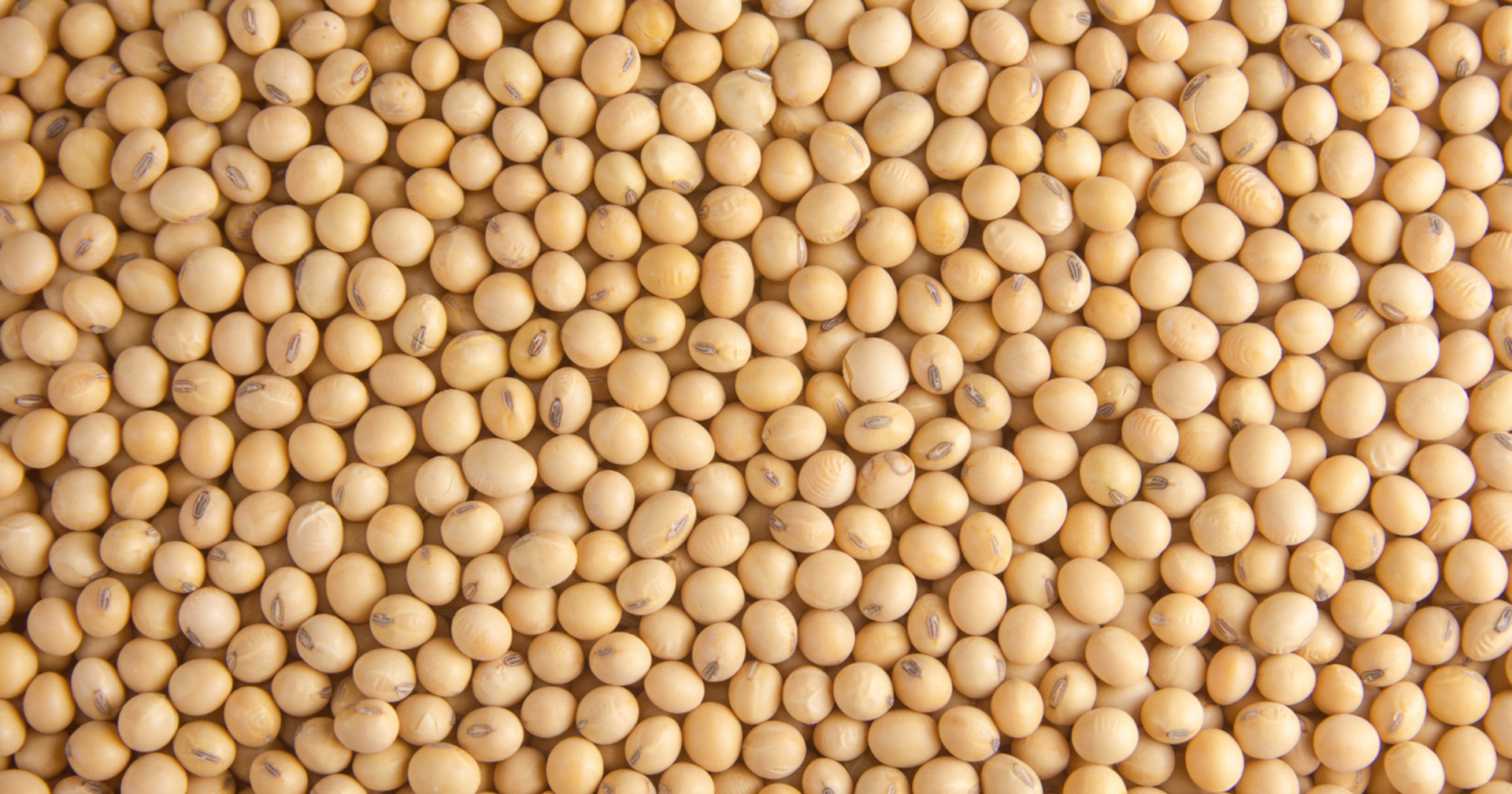
Understand how seed processing influences the stability of the process, fluidity in the machines and the efficiency of treatment and sowing.
The efficiency of a crop begins before treatment
When it comes to performance in the field, it's common to focus on seed treatment or sowing. However, before these stages take place, there is a fundamental point that defines the behavior of the entire process: seed processing.
It is at this stage that the seed stops being a freshly harvested material, with high variability, and begins to take on a more predictable technical standard. For Momesso, processing is not just an initial stage, but the foundation that supports the stability of the entire operation within the company. CTS and in the countryside.
Organizing the lot means reducing uncertainties. And reducing uncertainties is the first step towards an efficient operation.
What seed processing is and its role in the process
O seed processing involves cleaning, classifying and standardizing the batch. When the seeds arrive from harvest, they carry impurities, plant debris and natural variations in size, weight and density. These factors, when not controlled, directly interfere with the operational flow.
During processing, the batch goes through processes that remove undesirable materials and separate the seeds according to technical criteria. The aim is not just to improve the batch's appearance, but to organize its behaviour throughout the following stages.
A well-processed batch tends to have greater physical uniformity, which directly influences machine performance, treatment stability and sowing accuracy.
Lot organization: the starting point for operational predictability
Within a TSC, predictability is a technical asset. When the batch has large variations, the process becomes more sensitive to constant adjustments, fluctuations in flow and rework.
The organization promoted by processing reduces this variability. Seeds that are more similar to each other move more constantly in elevators, conveyors, silos and processing equipment. This contributes to a more continuous flow and more solid technical adjustments.
In practice, an organized batch makes it easier to read the process, reduces unexpected interferences and favors a more coherent operation from start to finish.
Impacts of processing on fluidity and storage
Fluidity is one of the first aspects affected by the quality of processing. Seeds with a large variation in size and weight tend to create retention points, caking and instability during internal transportation.
When the batch is well standardized, the seeds move more evenly. This reduces interruptions, improves the use of space in silos and facilitates handling during storage.
In addition, the physical uniformity of the batch contributes to better seed conservation, reducing the risks associated with poor air circulation and excessive compaction.
The direct relationship between seed processing and seed treatment
In seed treatment, The effects of beneficiation are even more evident. Processing machines work with defined technical parameters, such as flow, residence time, dosage and mixing. For these parameters to remain stable, the behavior of the batch needs to be predictable.
Uneven batches tend to generate variations in the distribution of the mixture, making homogenization difficult and requiring frequent adjustments. A well-processed batch, on the other hand, favors fluidity inside the machine and contributes to a more balanced application.
In Momesso's view, the efficiency of treatment depends not only on the technology used, but also on the quality of the material entering the equipment. Processing is the link that connects the preparation of the batch to the stability of the treatment process.
Processing and sowing: direct effects in the field
The effects of processing are not limited to CTS. In the field, batch standardization directly influences plantability. Seeds with similar dimensions are distributed more evenly by the planter, favoring the formation of a more uniform stand.
This regularity contributes to a more balanced emergence of the plants, reducing competition between individuals and improving the use of the crop's genetic potential.
Thus, processing acts as a strategic stage that connects the industrial operation to agronomic performance.
Processing as a technical foundation, not just an operational one
For Momesso, processing should be seen as the technical foundation of the process, and not just a mandatory stage. It is at this point that the basis for more precise decisions in the following phases is built.
By investing in well-conducted processing, CTS creates the conditions for treatment and sowing to take place with less interference, more stability and greater repeatability between batches.
This vision reinforces the understanding that efficiency does not arise from isolated actions, but from coherence between all the stages of the process.
Organization that sustains efficiency throughout the harvest
Seed processing is where efficiency begins to take shape. By organizing the batch, reducing variables and standardizing seed behaviour, this stage supports the operational predictability that treatment and sowing require.
In practice, a well-processed batch facilitates technical adjustments, strengthens the stability of the process and contributes to more consistent results throughout the harvest.
For those looking to evolve their operation, understanding the role of processing means understanding that efficiency is not only built at the end, but from the very first step of the process.
Want to deepen your understanding of how each stage of the process influences seed treatment? Explore other Momesso's technical content and move towards building more stable and coherent operations.
READ ALSO:

Are you afraid of becoming a more technological producer?
