
What is the Momesso Center of Excellence (CEM)?
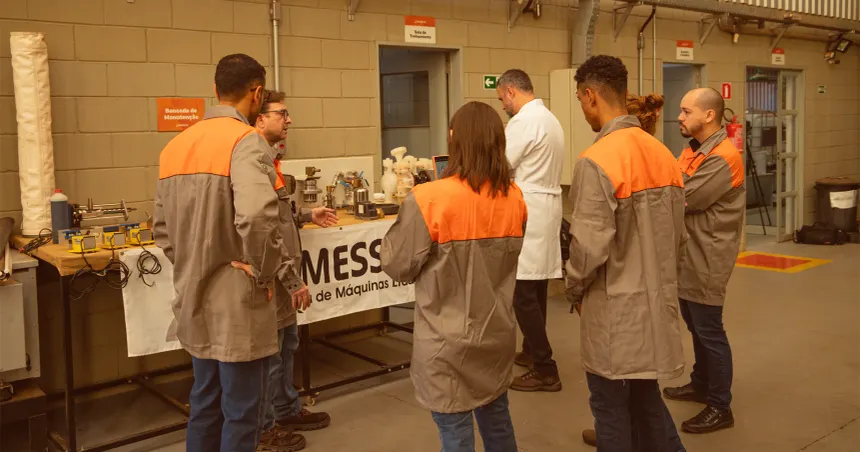
CEM is a research, development and training environment, created to develop our application technologies and support customers, partners and professionals. At CEM, we have professionals with the highest expertise in seed treatment, offering a complete structure for testing, analysis, solution development and practical technical training.
Our commitment is to evolve, innovating in the seed treatment segment to achieve the highest standards of quality, efficiency and operational safety.
Our structure includes:
- CTSI (Industrial Seed Treatment Center) for training in operating systems and machines.
- Seed Treatment Quality Assessment and Improvement Laboratory
- Meeting room equipped for training and workshops
What tests do we carry out at CEM?
We conduct rigorous tests to ensure that the seed treatment preserves quality, safety and plantability.
-
Applicability tests
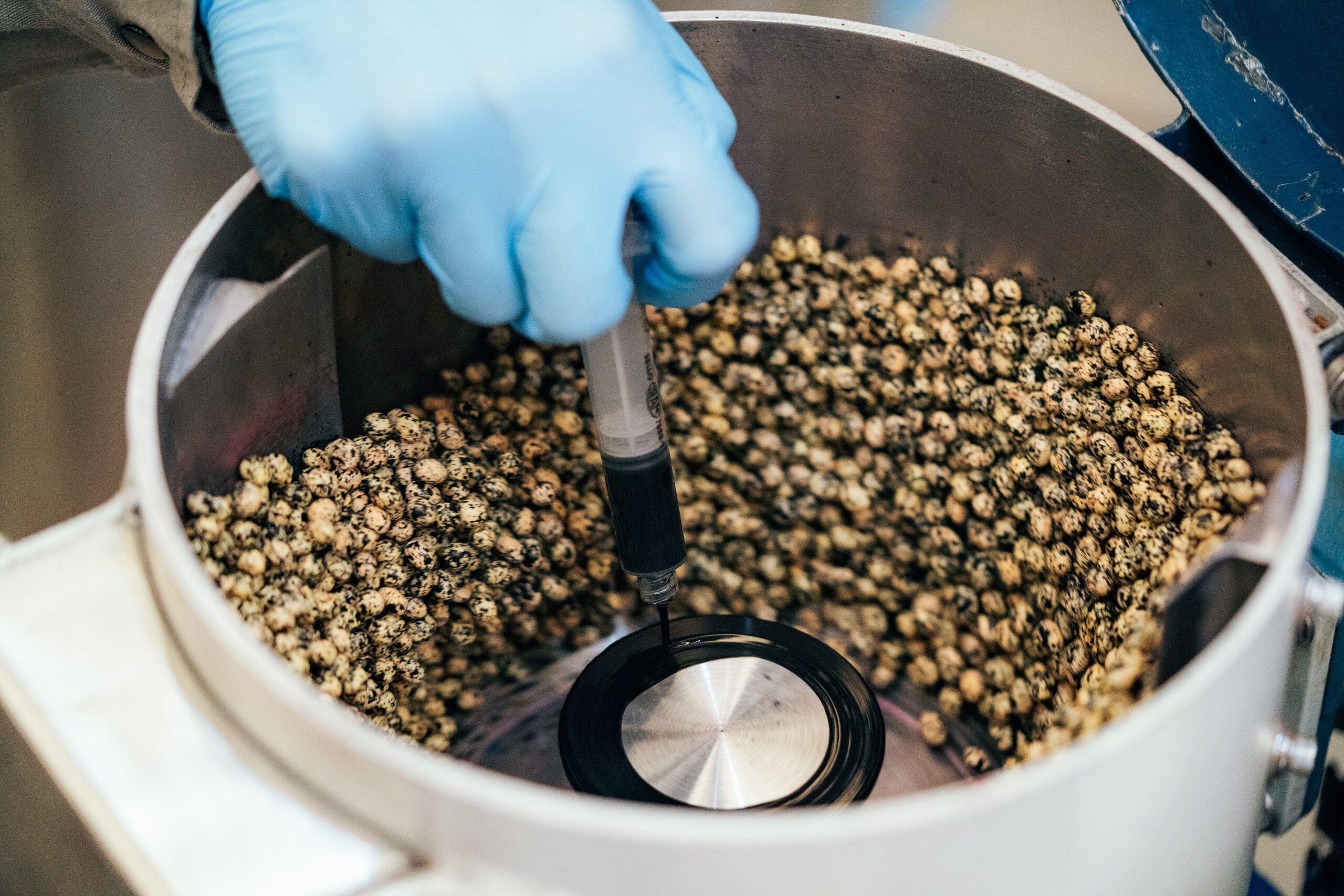
It studies the feasibility of application, simulating real situations, testing and validating the application of simple and complex products and dressings.
Suggesting the use of equipment, solutions and alternatives to make applications viable. Checking application nozzles for clogging risks.
It assesses the emergence of equipment cleaning difficulties, retention of treated seeds in parts of the interior of the treaters.
-
Visual Quality Tests
The visual aspect is fundamental in professional seed treatment in the industry (TSI).
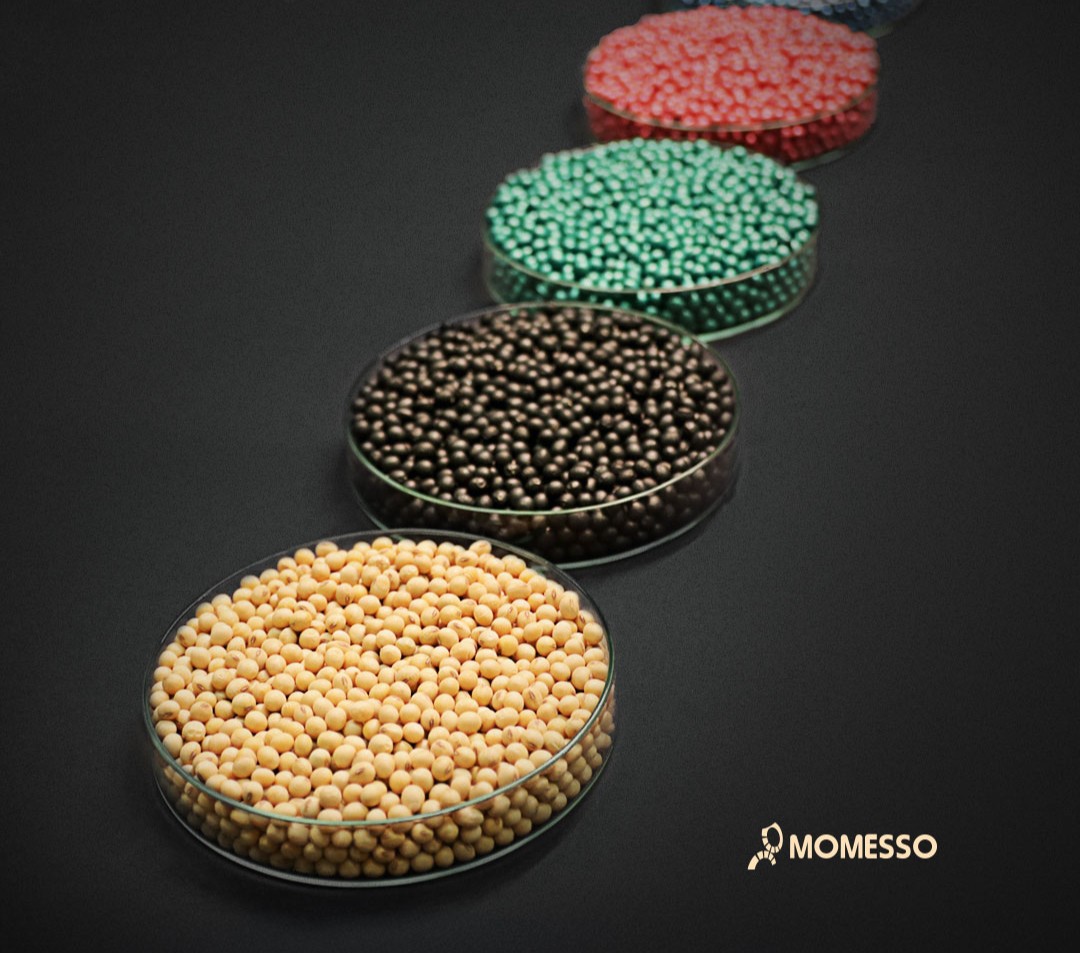
Farmers demand that treated seeds have uniform coverage and distribution of the treatment on the seeds. In addition, color and brightness are factors used by technicians and farmers to evaluate the quality of the TS.
According to the requests of the seed industry, our laboratory works to improve all these aspects. We use various resources to obtain the best visual quality of the TS, such as: regulating equipment and application systems, rationalizing the volume of spray, selecting coating films (polymers), adhesives (binders) and finishing powders (drying powders, graphite powders, etc.).
-
Compatibility and stability tests
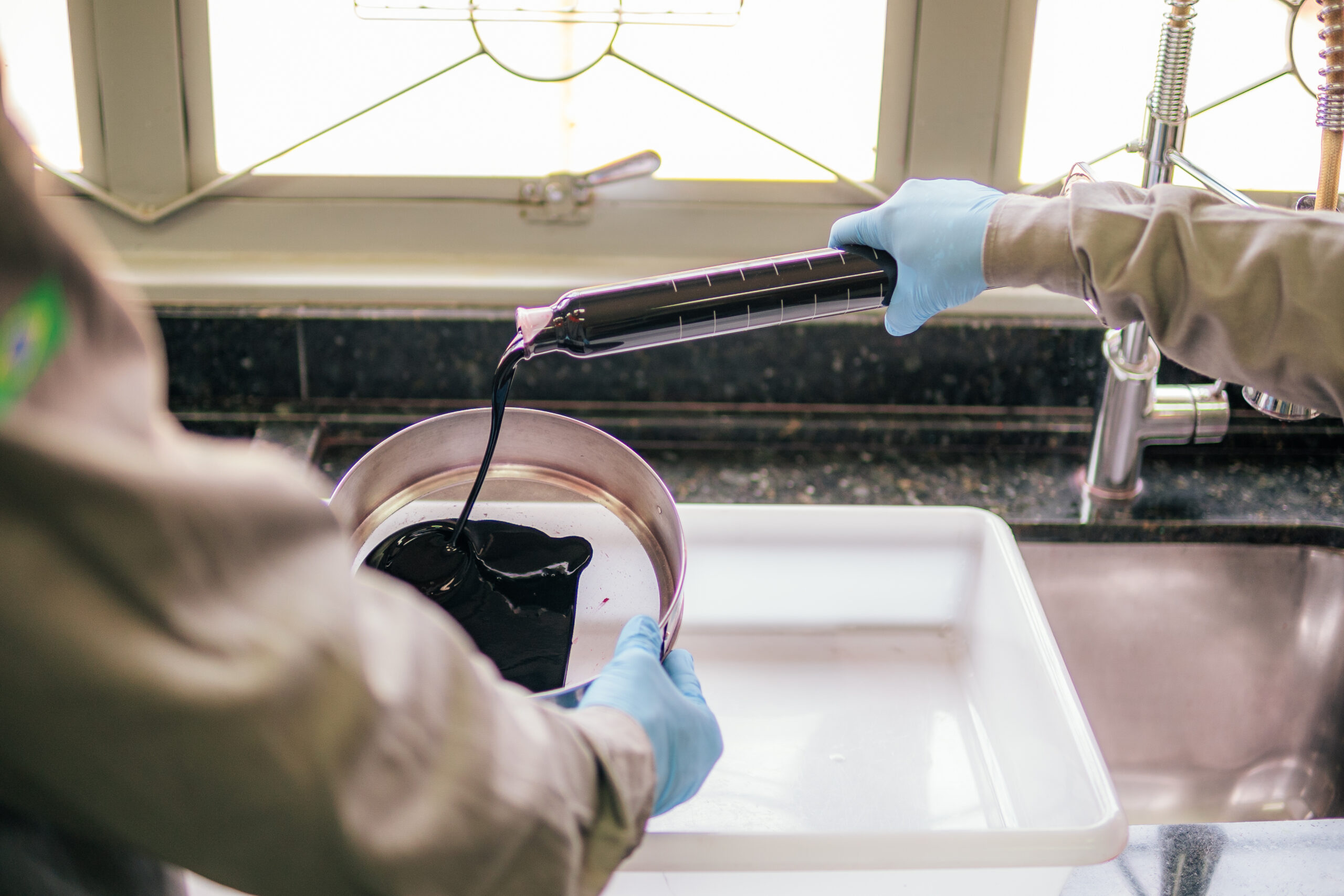
Tests are carried out on the static or dynamic compatibility and resuspension capacity of syrups made with different products. The test was developed based on the ABNT standard methodology adapted for seed treatment syrups. The stability of the syrups and the determination of their pH are evaluated immediately and 24 hours after their preparation. In addition, it is checked for the formation of lumps, aggregated seeds, etc. The density and viscosity of the mixtures are determined, as these aspects are fundamental for the assertive regulation of application doses, as well as the specification of metering pumps. Currently, between 4 and 9 different products are applied to the seeds. They are applied from separate tanks or in a single mixture. The formation of syrups presents challenges such as the physical and chemical compatibility between the products that make it up. It is essential to test compatibility before forming the mixture to avoid dosage and application errors. Thus, the mixture must have good miscibility, stability, suspendability and synergism, otherwise the application will be impaired and, in some cases, unfeasible.
-
Physiological quality and shelf-life tests
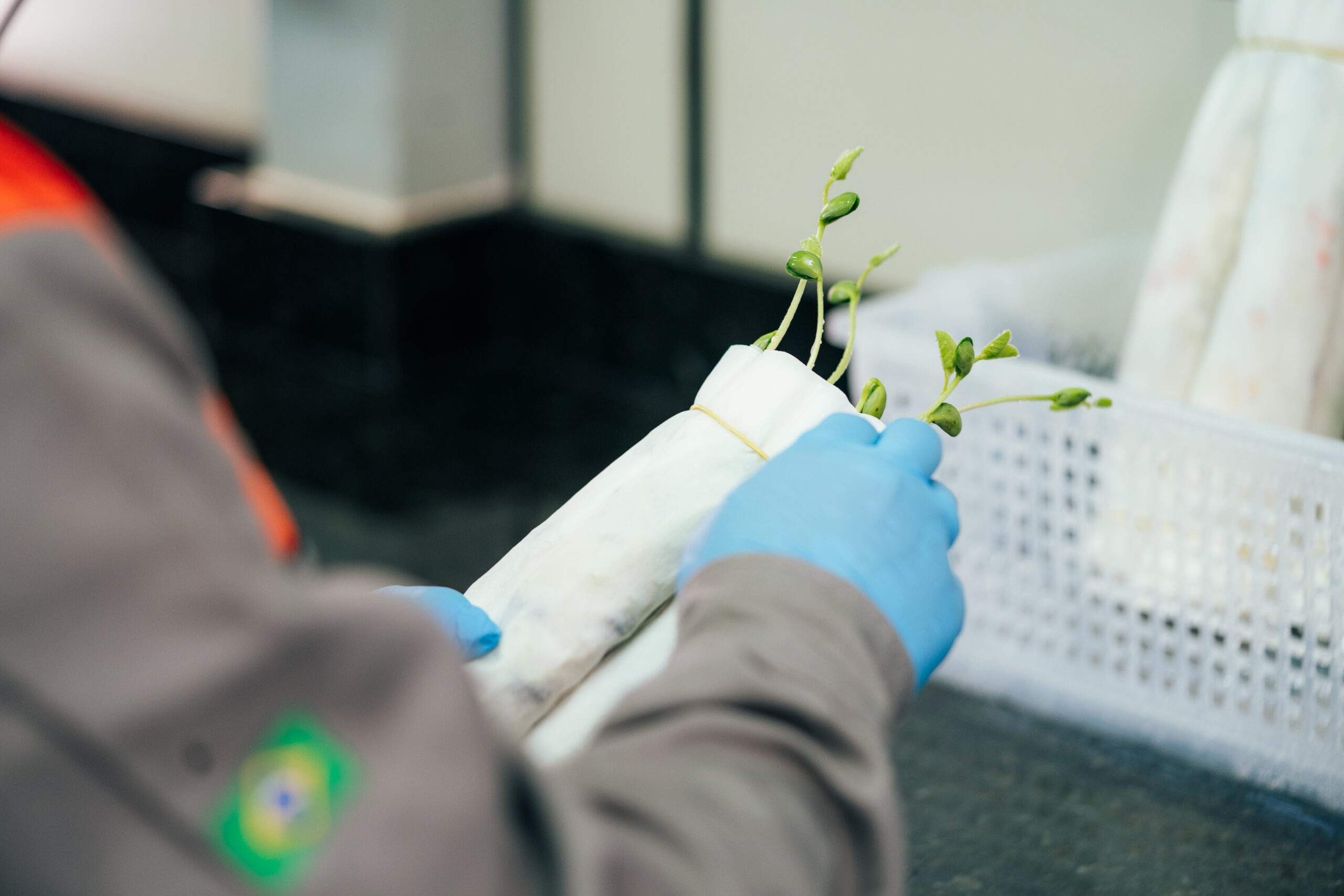
Only selective products should be used in seed treatment. For this reason, these products must be evaluated beforehand to avoid using agents that could damage the physiological quality of the seeds. In the case of TSI, it is also important to assess the possible impact of the products used over prolonged storage (shelf life). There are very safe products and less safe products. The risk of damage to the physiological quality of the seeds is unacceptable. In this case, we carry out germination tests in accordance with the seed analysis rules (RAS MAPA). In addition, we carry out vigor tests (accelerated aging and cold test). All tests are carried out regularly and for storage periods in line with the requirements of each species being assessed (e.g. corn up to 360 days, soybeans up to 120 days of storage).
-
Plantability Test
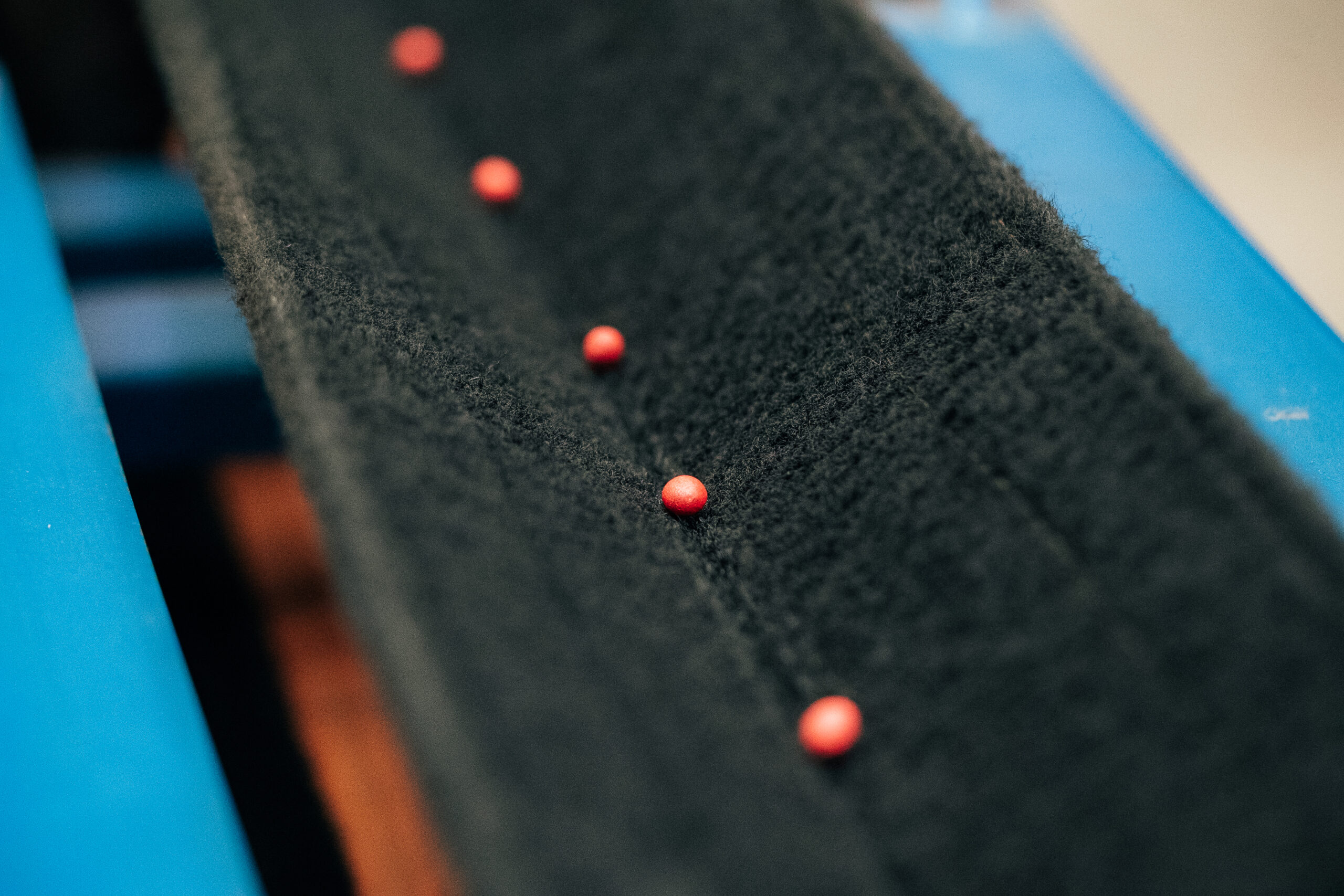
The use of chemical products or bio-inputs in the form of seed treatment has an impact on the quantity and quality of seed distribution. The test can anticipate problems and indicate the need to change the formulation of products or the need to use additional technologies to “lubricate the seeds”, such as the use of special coating films, finishing powders with lubricating properties, graphite, etc. The assessment of plantability is based on observing the quality of seed distribution linearly, taking into account the uniformity of spacing, the occurrence of gaps and multiple gaps and is crucial because it guarantees the maximum productive potential of the crop. To assess plantability, we use a bench simulator with perforated disks and a conveyor belt to determine the Singulation. Ten readings are taken per sample of the treatment evaluated, taking into account distribution uniformity (analyzing the distance between the seeds in the row). The result is compared with a control without seed treatment and/or a reference seed treatment. The more uniform, the better the plantability. Failures (absence of seeds) and multiple failures (two or more seeds close together) reduce productivity. The Coefficient of Variation (CV) is an index that also measures this uniformity, and the lower the value, the more regular the spacing. Correct population: confirms that the number of seeds per meter of row is in line with what is recommended for the crop and cultivar.
-
Floating Dust Emission Risk Test (Dust-off)
This test assesses the risk of floating dust being generated from treated seeds. It compares different seed treatments and determines the amount of potentially floating dust per weight of seed. We use a dust meter (Dustmeter Momesso) developed for this purpose. This equipment uses a flow of air through a mass of known seeds that is constantly agitated, causing friction between the seeds and against the walls of a cylinder. This air stream continues its journey through a special filter whose weight has been determined before the operation. At the end of the friction period, this filter is weighed again and the amount of potentially floating dust generated by a known mass of seeds is determined by weight difference. The result of the test indicates whether the indices obtained are within the safety limits used as a reference by the majority of companies selling TS products. The term floating is related to the dust's ability to remain suspended in the air. Although dust does not float indefinitely like a weightless object, its tiny, light particles can remain suspended in the air for a considerable time due to their low mass and large surface area in relation to their weight. This means that dust can be transported long distances by air currents with the potential to cause problems for the environment, which is why the test is so important.

-
TS Friction Resistance Test (Rub-off)
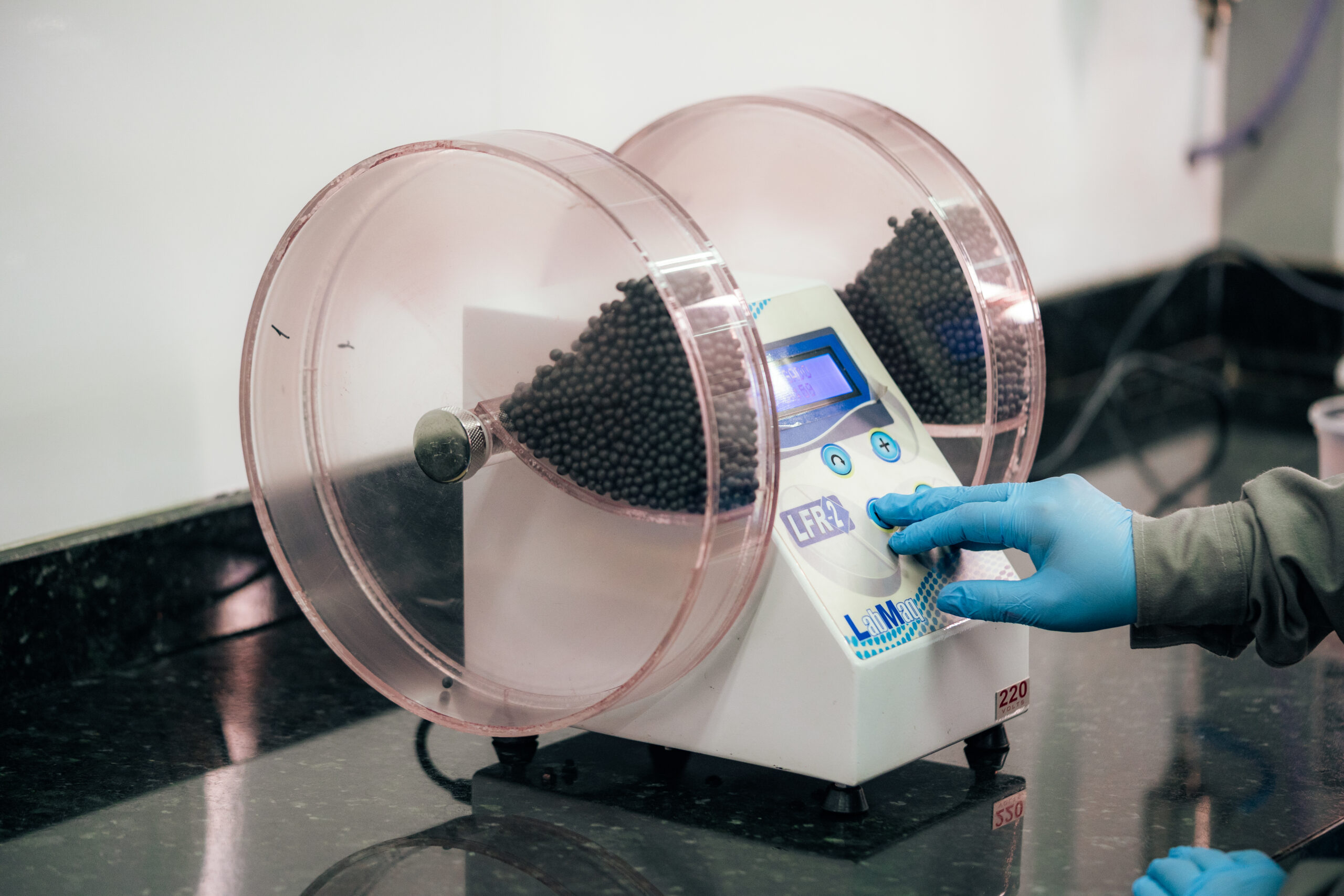
This is a friability test. The test aims to assess the physical resistance of the seed treatment coating to the friction and mechanical shocks that the seeds suffer from each other, simulating how they would behave during the processes of passing through hoppers after treatment and during various subsequent operations such as bagging, handling for storage, transportation, movement to farms and sowing. In some cases there are significant visual losses of the coating, making it unacceptable to use certain products without additives. We use a friabilometer that simulates a friction situation for a programmed period. In this case, quantitative and visual evaluations are carried out. Based on the results, we can determine whether there is a need to use alternative solutions that can increase the adherence of the seed treatment, such as specific coating films and binders. Friability is calculated using the formula: Friability = (Initial Weight - Final Weight / Initial Weight) x 100%.
-
Flow Test
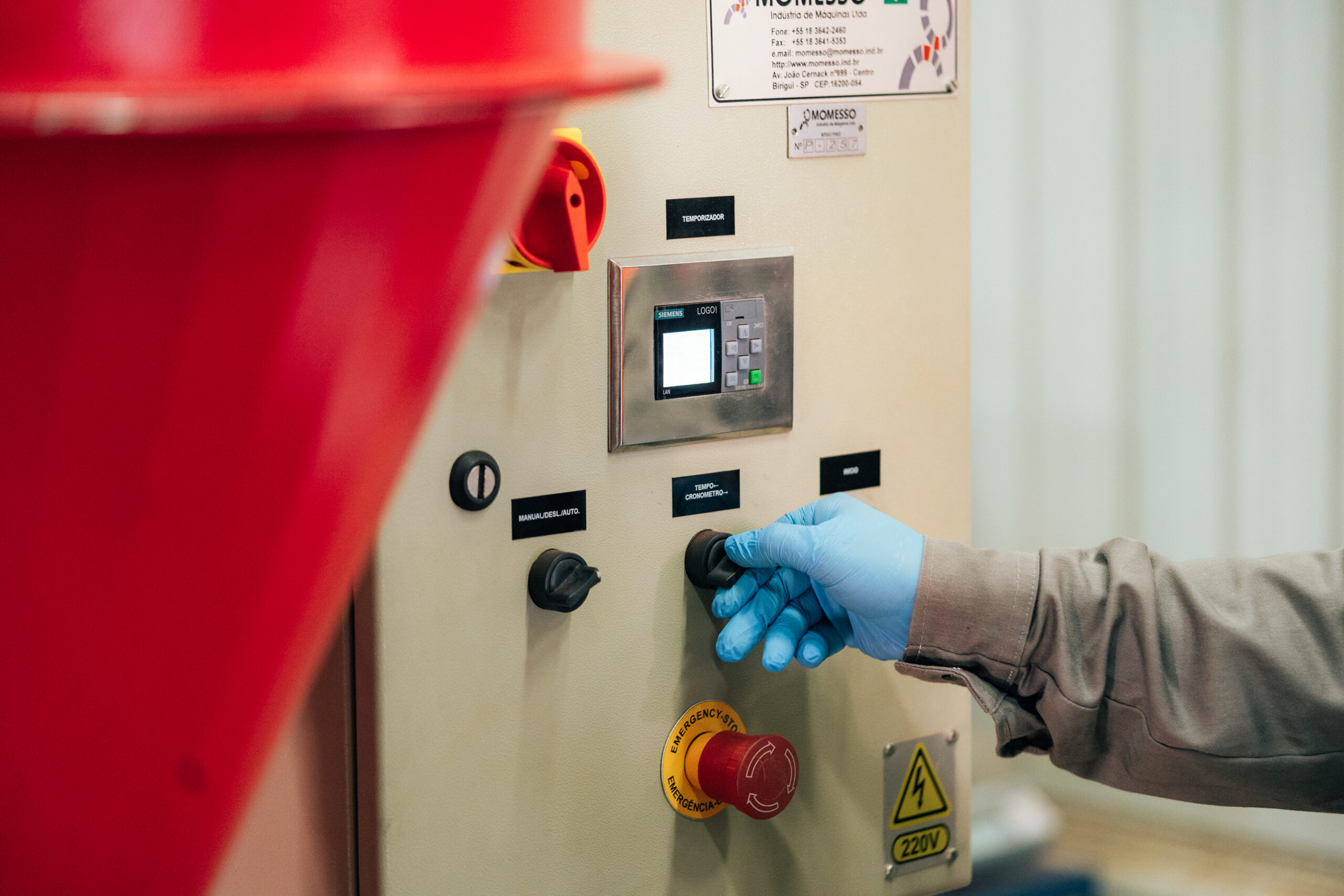
The use of seed treatment alters the surface characteristics of the seeds. The test analyzes the impact of the flow behavior of treated seeds immediately and 48 hours after seed treatment. It determines whether there is a reduction or increase in the fluidity of treated seeds compared to untreated seeds, which can negatively affect the productivity of the TS operation. A Momesso funnel was used to monitor fluidity in kg/hour. The probability of flow blockage due to seed agglutination is observed. Formation of “pé-de-moleque” (small formations of agglutinated seeds). If any of these irregularities appear, we can look for alternatives to solve them using suitable products such as coating films and finishing powders.
-
Seed coating detachment test in water
This method simulates the possibility of excessive shedding of pigments and potentially some actives when there is heavy rainfall that could leach some types of products. The treated seeds are placed in a container of water and shaken. The evaluation is visual and compared to the reference treatment for each situation.
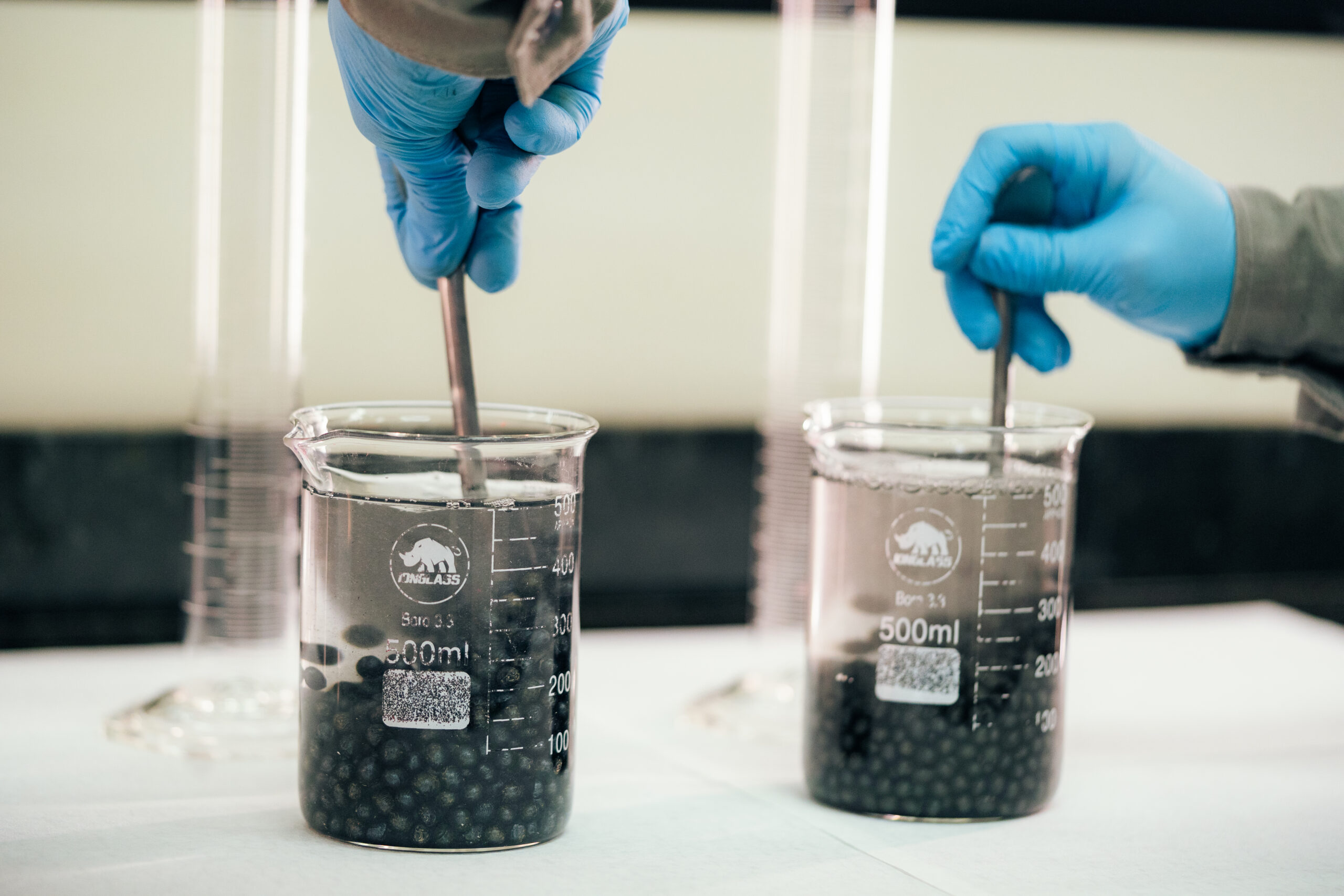
All tests are conducted in a controlled environment, with
specialized technical support.
CEM OFFERS MUCH MORE THAN A LABORATORY
It is a space for innovation, development and technical training, which contributes directly to the performance of your business.
- Complete structure, with machines in real operation
- Personalized service by specialists
- Technical support in analyzing and interpreting results
- Practical training for internal and external teams
- Agile results and solutions


Technical Training at the Momesso Center of Excellence
In addition to laboratory testing, CEM is a technical training center. We offer practical and theoretical training:
Theoretical and Practical Training in Seed Treatment
The aim is to train professionals to work in the field of seed treatment.
Training for Industrial Seed Treatment Operators
It trains professionals in operations and essential equipment maintenance.
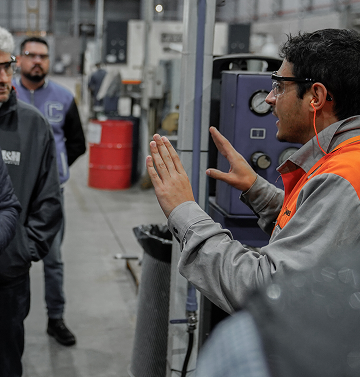
The activities take place in our CTSI, equipped with operational machinery, allowing participants to have a real, hands-on experience, simulating the day-to-day challenges of the seed industry.
Contact the Momesso Center of Excellence now
Do you want to schedule your tests, get to know our structure or hire a training course?
Fill in and send us the form, our technical team is ready to offer all the support your company needs.