Agricultural Drones: The Technology Transforming Agriculture
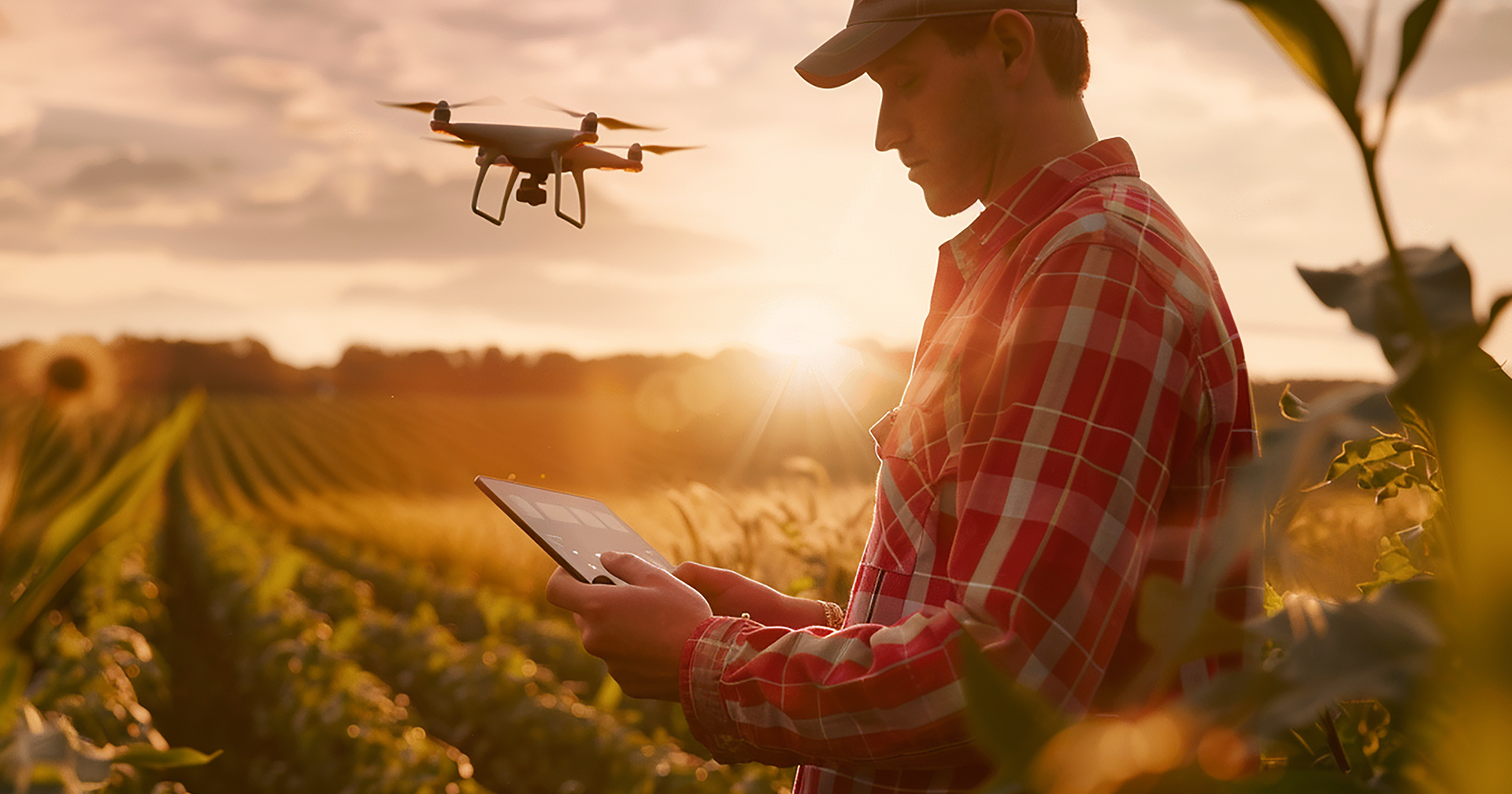
Technology has changed the way we produce in the countryside. Today, when we talk about innovation in agribusiness, the agricultural drones are one of the first solutions that come to mind. And it's no coincidence: these small aircraft have already become essential tools for improving productivity, reducing costs and making management more efficient.
If you still have doubts about how drones can help your crops, this content was made for you! Today, we at Momesso, Let's explain what are agricultural drones, what they are used for, their advantages and the care required to use them correctly.
What are agricultural drones and how do they work?
Basically, a agricultural drone is a type of remote-controlled aircraft that flies without a pilot and is tailor-made for working in the field. Unlike hobby drones, this equipment is stronger, can carry various types of sensors and even spraying systems.
The way they work is quite clever: the farmer or whoever operates the drone programs it to fly over a specific part of the crop. As it flies, the drone collects various pieces of information using its cameras and special sensors. This information is then “read” by computer programs that transform everything into detailed maps, reports and analyses that we wouldn't be able to see with the naked eye.
The use of drones in agriculture is on the rise
According to an article published by Embrapa, the use of drones in agriculture has grown steadily in recent years. This technology is present on both small farms and large areas of cultivation, gaining ground because of the practicality, precision and savings it brings to the field.
In 2024, the global market for agricultural drones was worth around R$ 25 billion, according to Fortune Business Insights.. In Brazil, this scenario is no different: more and more producers are investing in this equipment as a strategic ally to improve productivity and reduce costs.
It is expected that the number of drones in operation will continue to increase over the next few years, driven by the benefits they bring and the ease of access to the technology. O Brazilian agribusiness has been looking at these tools not just as an innovation, but as a necessity for those who want to produce more and more efficiently.
What are drones used for in agriculture?
The versatility of agricultural drones is impressive. They can be used at various stages of production, bringing many benefits:
1. crop mapping and monitoring
One of the main functions of drones in agriculture is to map and monitor crops. With fast flights and high-tech cameras, they can detect planting faults, identify pests, soil problems or areas that aren't developing as they should. This allows the producer to act quickly and punctually, preventing small problems from becoming major losses.
2. Precise spraying
Spraying drones apply pesticides (such as products for weeds, fungi and insects) or liquid fertilizers in a much more precise way. Instead of dropping the product on the entire crop, the drone applies it only where it is needed. This means a lot of product savings, less impact on the environment and more safety for those working in the field, as they are not exposed to the product.
What's more, drones can access difficult areas, such as terrain with hills or very tall crops, without damaging the plants, something that ground-based machines can't do.
3. Soil analysis and topography
They produce detailed maps of the terrain, which makes it easier to plan irrigation, drainage and even identify areas that need correction. With specific sensors, drones capture data about the soil, revealing important differences that can affect crop performance.
Advantages of using agricultural drones
Investing in agricultural drones brings a series of benefits that directly affect how much you earn and the efficiency of your production:
- Product savings: By identifying problems and applying pesticides or fertilizers only where necessary, you spend less. Less waste means more money in your pocket.
- Smarter, faster decisions: With the information that drones collect, you have precise data on your crops at the time. This allows you to make faster, fact-based decisions, improving the way you look after your crops and avoiding losses.
- Increased production: Catching problems early on and applying the treatment precisely will make your plants healthier and your harvest bigger and of better quality.
- Sustainability: Reducing the use of pesticides, optimizing water and reducing the coming and going of heavy machinery in the field helps to achieve greener agriculture, which is less harmful to the environment and improves soil health.
- Speed and scope: Drones cover large areas in a short space of time, without the need for a person walking in the middle of the field. This saves manpower and minimizes plant crushing.
- Safety in the field: When applying pesticides, using drones reduces workers' contact with chemicals, making the working environment safer.
Curiosities and trends of drones in agriculture
Drones are constantly evolving and bring with them some interesting curiosities and trends:
- From military to agricultural: Initially developed for military purposes, drones have found one of their greatest fields of civilian application in agriculture. Their versatility and falling costs have made them accessible to farms of all sizes.
- With artificial intelligence: The most modern drones already have Artificial Intelligence. This allows them to identify pests and diseases, or even contain plants, autonomously, learning with each flight and making the analysis even more accurate.
- Swarms of drones: A future trend, already being tested, is “drone swarms”, where several drones fly together, coordinated, to cover gigantic areas in record time. Imagine a “fleet” of mini-aircraft taking care of your crops!
- Specific legislation: The use of drones in Brazil, especially for spraying, is regulated by bodies such as ANAC (National Civil Aviation Agency) and the Ministry of Agriculture. It is important to always check the rules in order to operate safely and legally.
- Drones with different capabilities: Today there are drones that carry everything from light cameras for monitoring to large sprayers that carry dozens of liters of syrup, adapting to different needs and sizes of properties.
Conclusion
The world of agricultural drones is constantly expanding, offering more and more tools for a modern and efficient agribusiness. Keep an eye on this technology and see how it can be your crop's next great ally!
Did you like the content? Follow us on Instagram and stay up to date with tips and news about the world of agriculture.
READ ALSO:

Is a brightly colored seed well-treated?